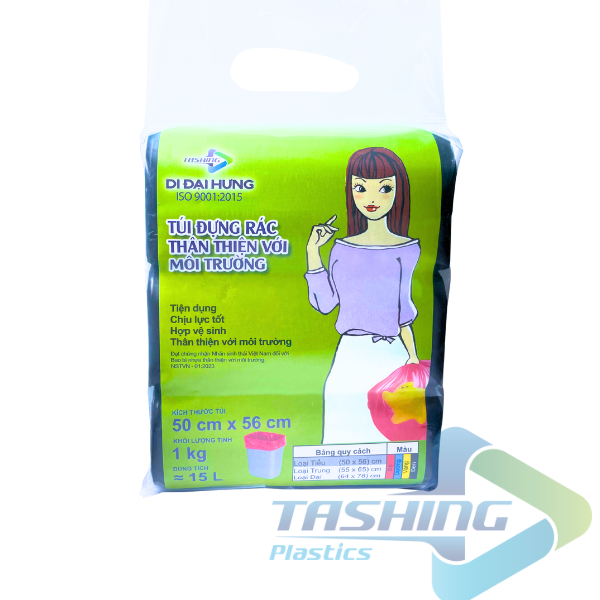


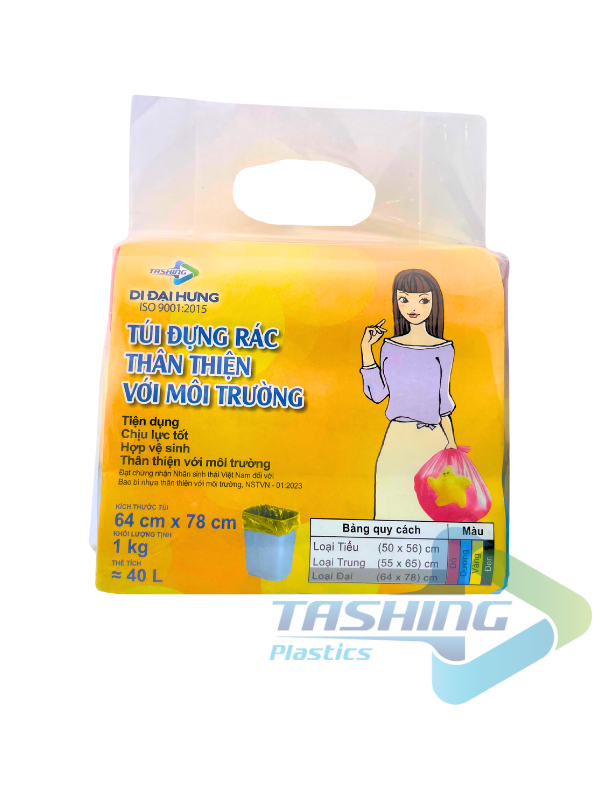
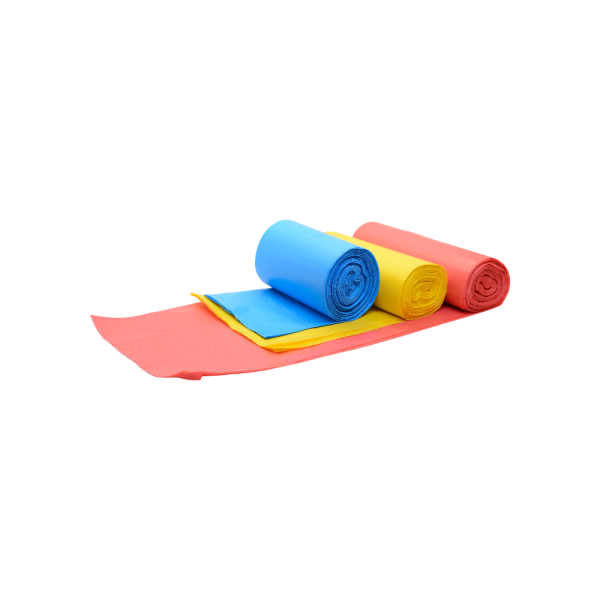
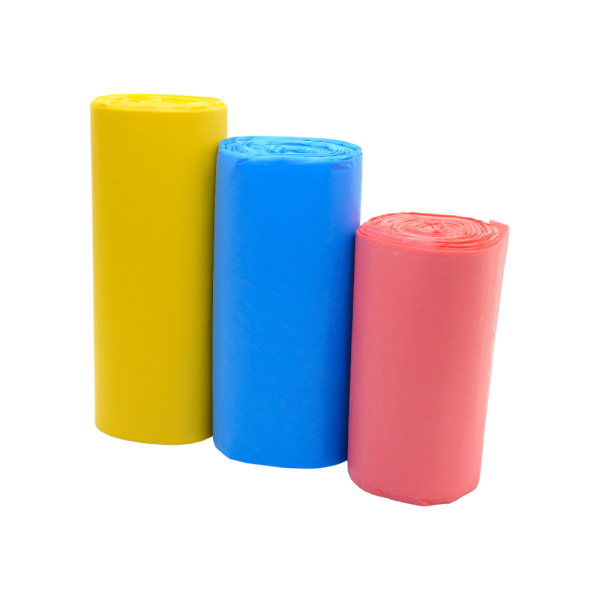
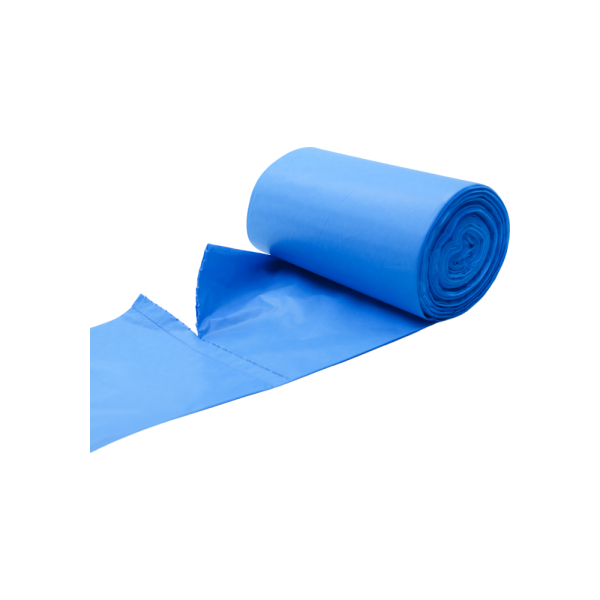
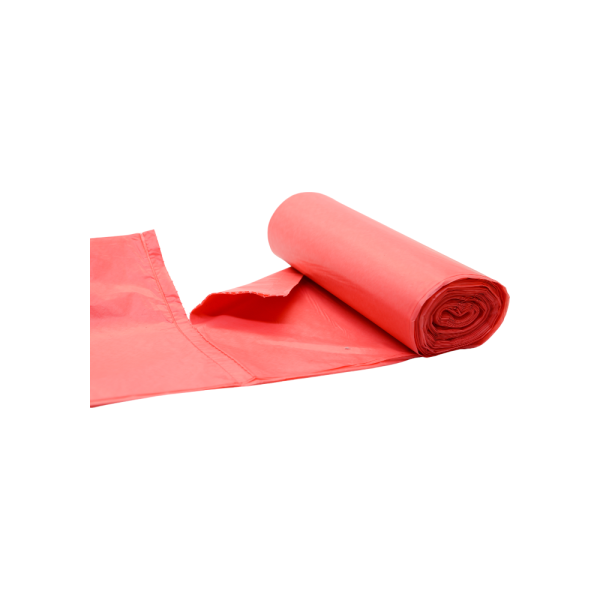
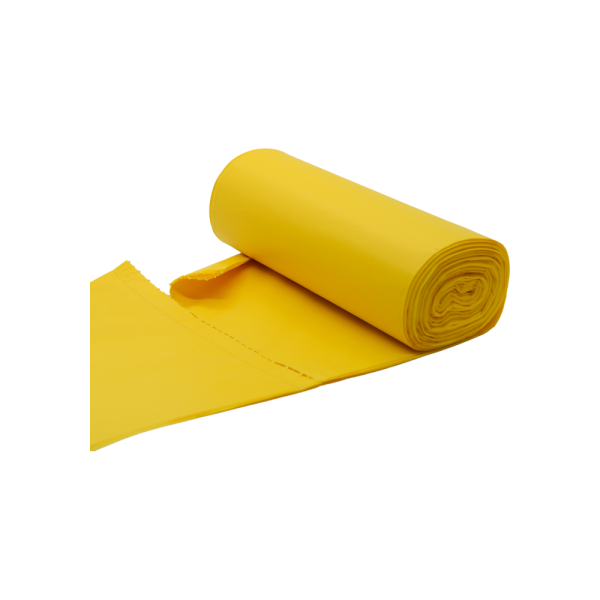
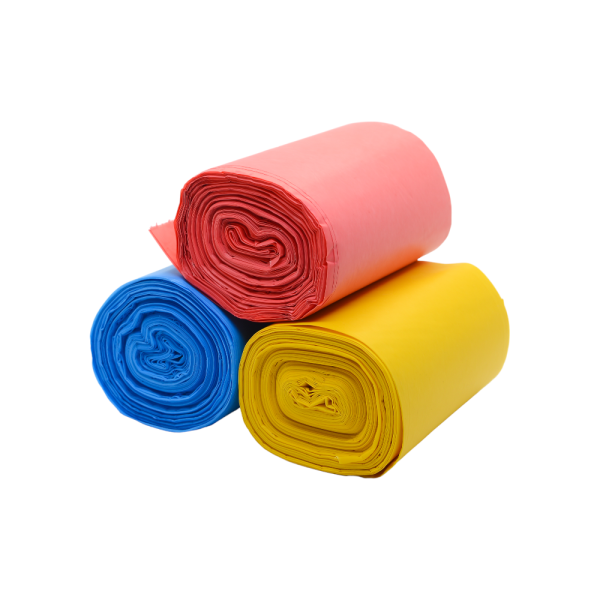
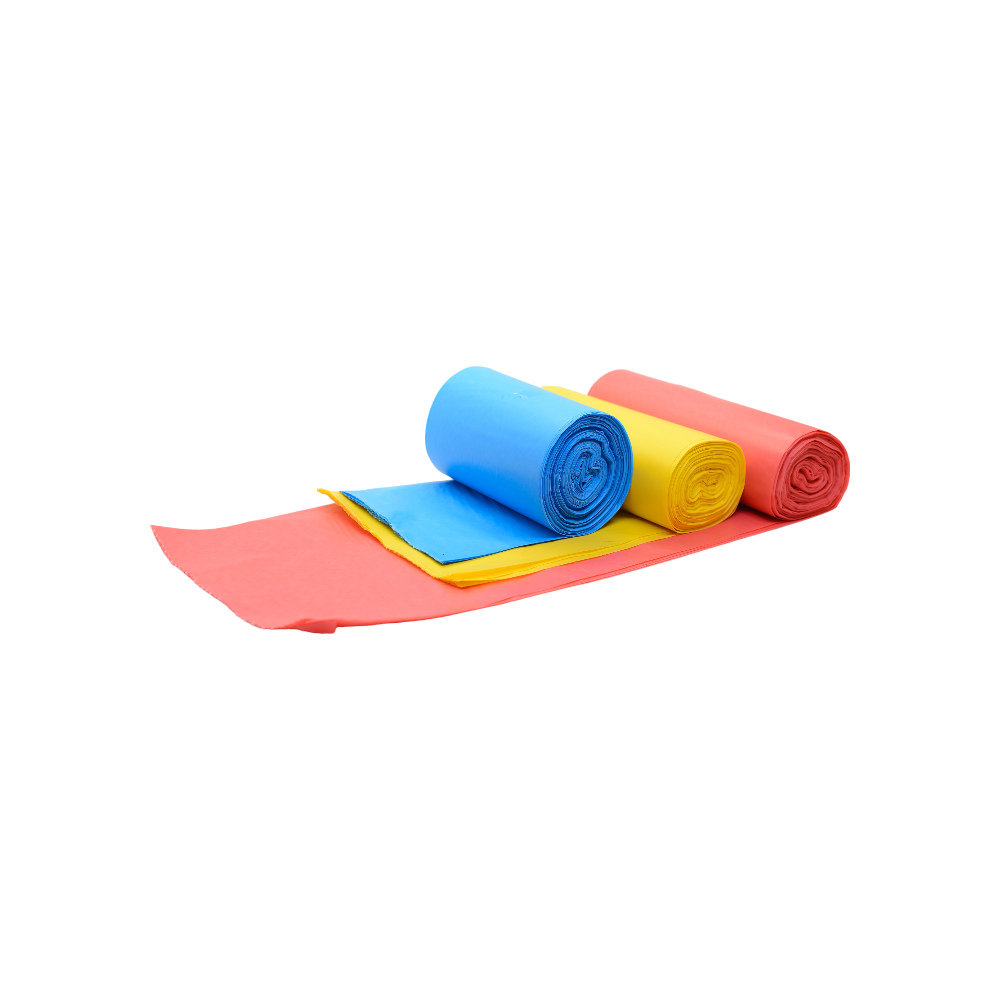
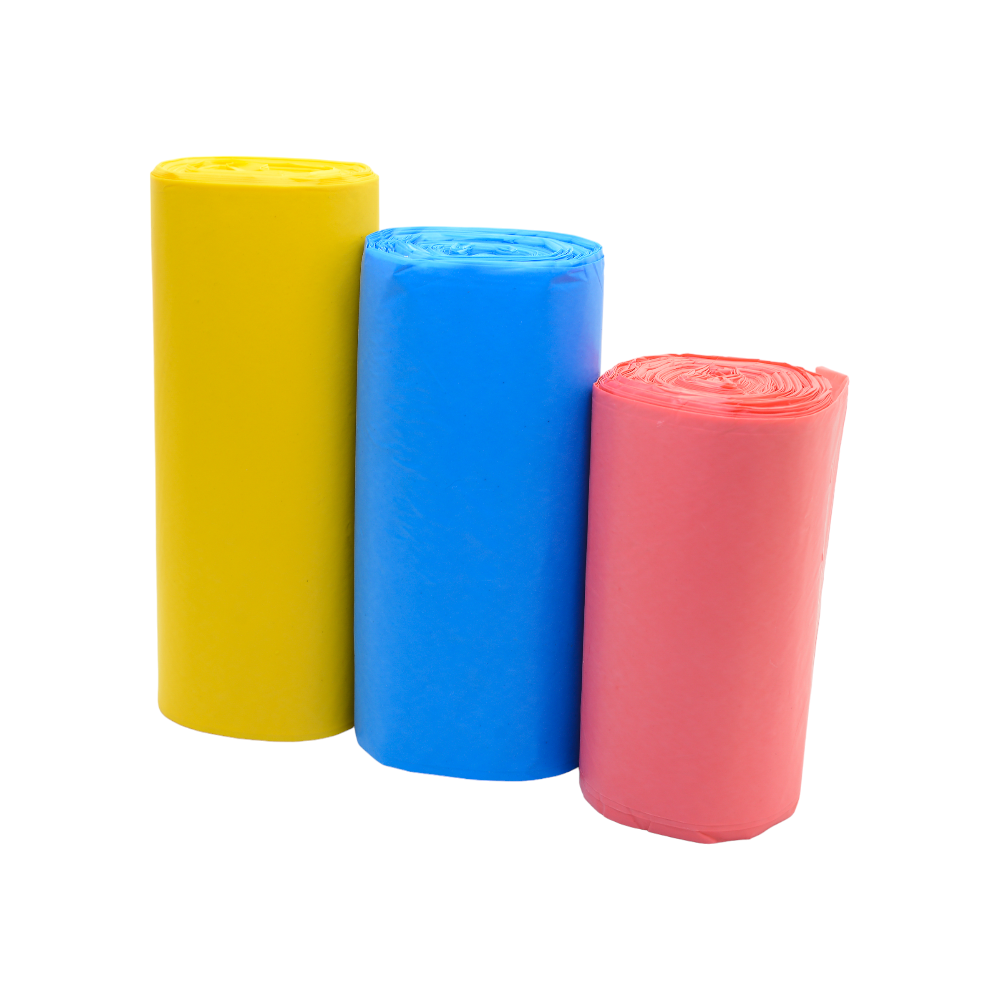
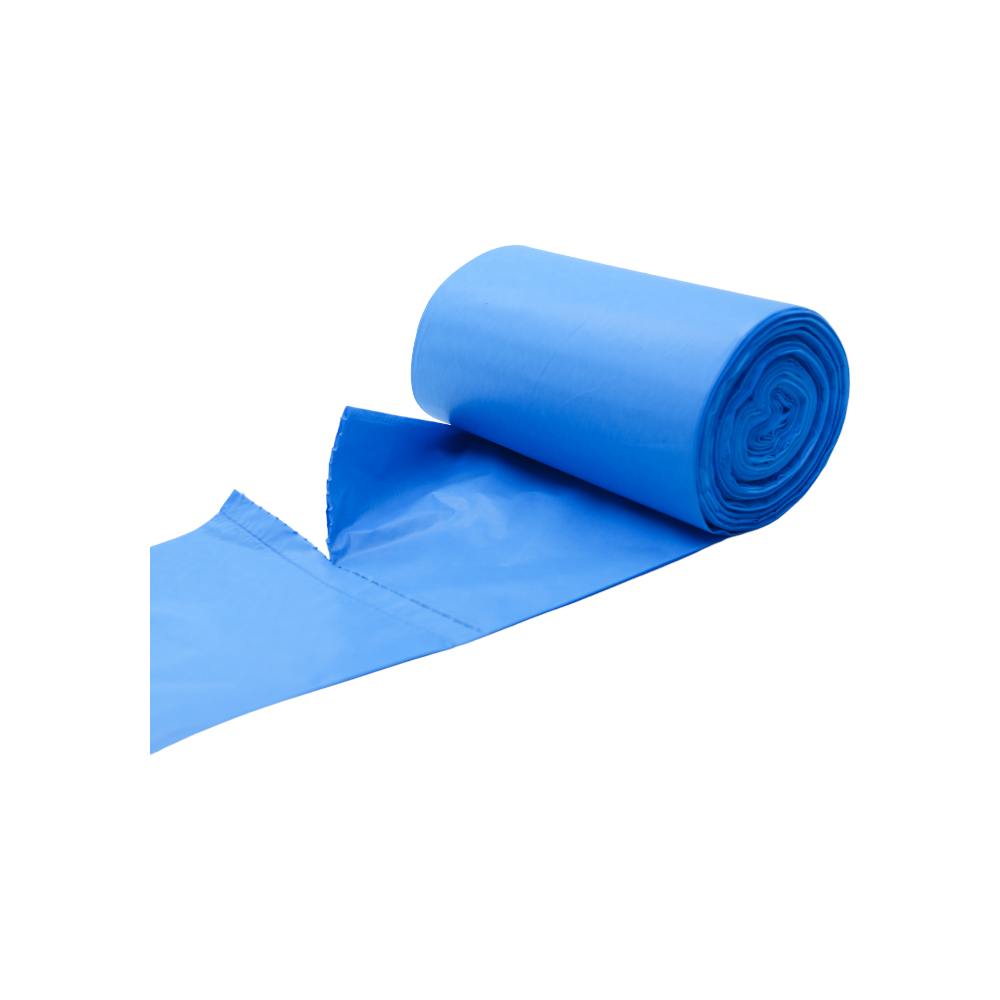
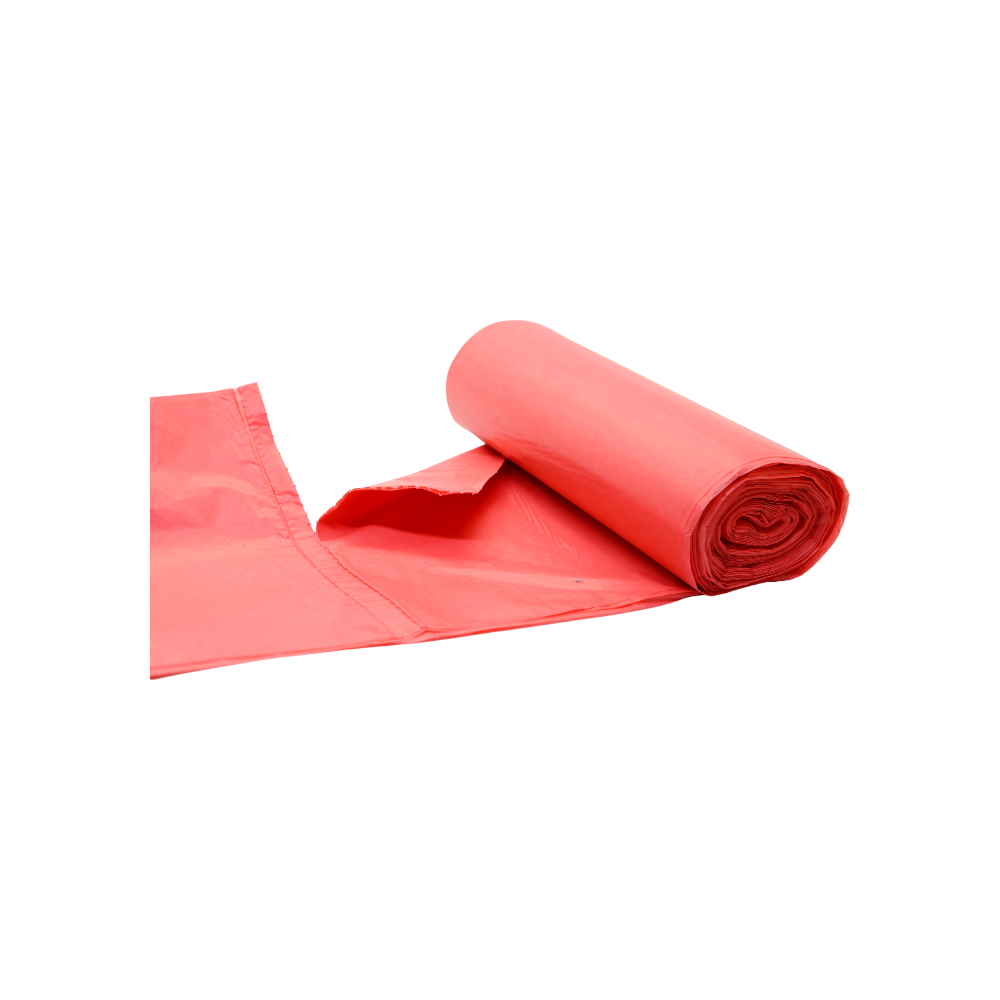
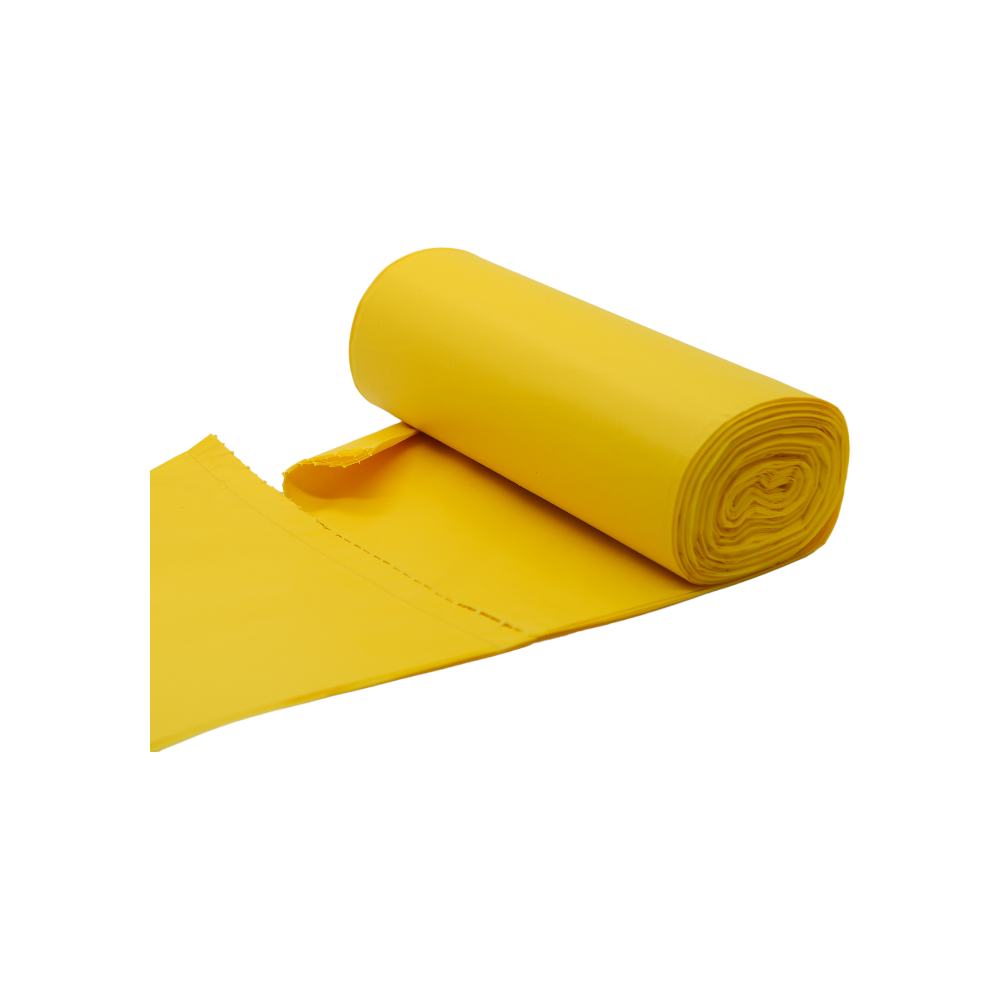
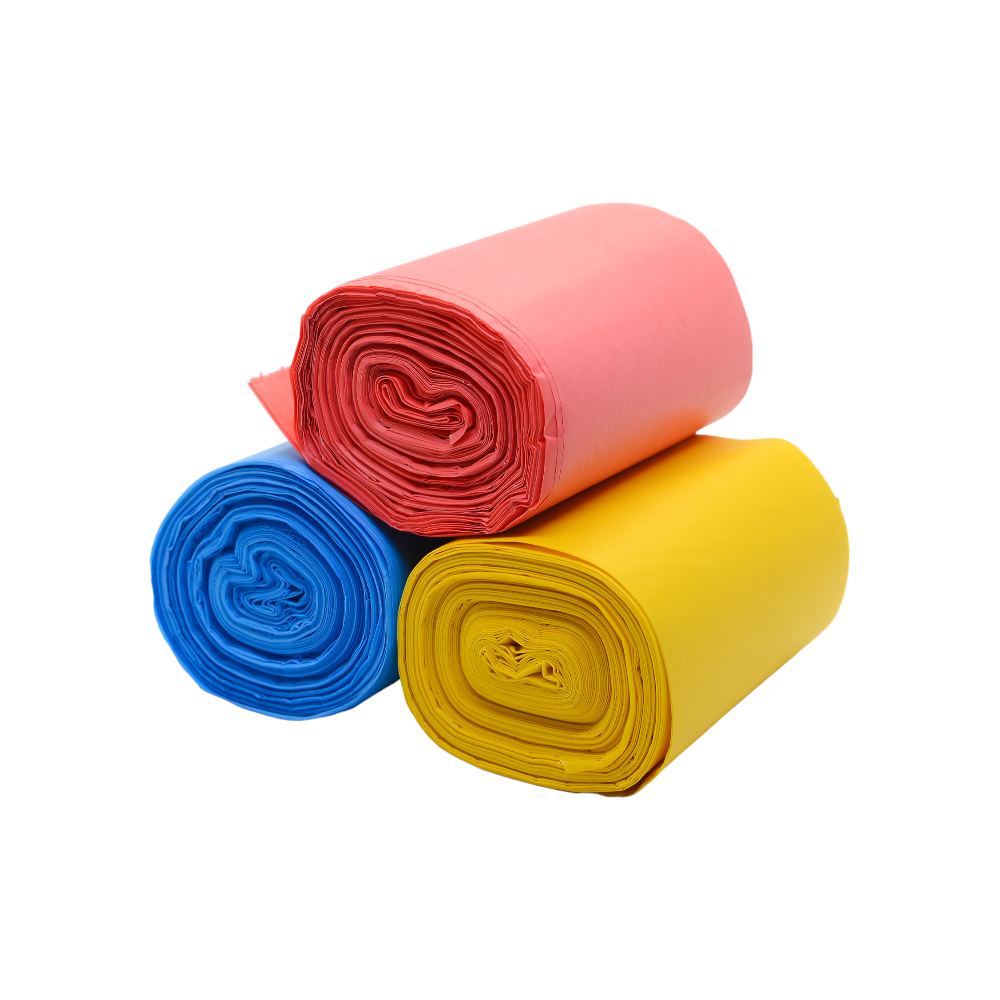
3-color HDPE trash bags (Large)
Contact
- Materials: HDPE plastic
- Dimensions (LxWxH): (32+16+16×78) cm, 32 mic
- Weight: 1 kg
- Description
Description
In the evolving landscape of modern waste management, efficiency, durability, and environmental consciousness have become paramount. For individuals and businesses alike, choosing the right tools for waste disposal can significantly impact daily operations and sustainability efforts. This is precisely where 3-color HDPE trash bags emerge as an innovative and indispensable solution. Moving beyond the conventional single-color approach, these specialized bags offer a sophisticated method for waste segregation, enhancing organization, hygiene, and ultimately, our collective commitment to a greener planet. They represent a significant leap forward, combining robust material science with practical, user-friendly design to transform how we handle everything from household refuse to industrial waste.
Understanding HDPE: The Foundation of Superior Trash Bags
High-Density Polyethylene (HDPE) is a thermoplastic polymer renowned for its high strength-to-density ratio. Unlike other plastics, HDPE boasts a linear structure with minimal branching, leading to stronger intermolecular forces and higher tensile strength. This inherent rigidity makes it an ideal material for applications requiring durability without excessive bulk, such as modern trash bags. Its resistance to many chemicals, moisture, and odors further solidifies its position as a preferred material in waste containment solutions, ensuring that what goes in, stays in.
The Science Behind HDPE’s Strength
At a molecular level, the dense packing of polymer chains in HDPE provides exceptional tear and puncture resistance. This means that even with a thinner profile, HDPE bags can withstand heavy loads and sharp objects more effectively than their low-density counterparts. For consumers and industries, this translates into fewer bag breakages, less mess, and greater reliability, ultimately saving time and reducing frustration associated with flimsy waste bags.
HDPE vs. LDPE: A Clear Difference
While both High-Density Polyethylene (HDPE) and Low-Density Polyethylene (LDPE) are derived from petroleum, their molecular structures impart distinct properties. LDPE, with its more branched and less dense structure, is known for its flexibility and stretchiness. It’s often used for grocery bags or dry cleaning bags. HDPE, on the other hand, is crispier, stronger, and more resistant to tearing and heat. For trash bags, HDPE’s superior strength and greater film clarity (allowing for thinner yet stronger bags) make it a more economical and efficient choice, especially when considering environmental impact through material reduction.
The Power of Three Colors: Revolutionizing Waste Sorting
The introduction of three distinct colors in HDPE trash bags is not merely an aesthetic choice; it’s a strategic design element aimed at simplifying and standardizing waste segregation. This multi-color approach enables easy identification and separation of different waste streams at the source, which is critical for effective recycling programs and overall waste reduction initiatives. Imagine a home or office where organic waste goes into one color, recyclables into another, and general refuse into a third – the benefits are immediate and profound.
Streamlining Recycling Efforts
Color-coded waste bags inherently encourage better recycling habits. By assigning specific colors to categories like plastics/metals, paper/cardboard, and glass, households and businesses can significantly reduce contamination rates in their recycling bins. This makes the subsequent sorting process at recycling facilities more efficient, leading to higher quality recycled materials and a stronger circular economy. The visual cue of a distinct color acts as a constant reminder, promoting mindful disposal.
Enhancing Hygiene and Odor Control
Beyond sorting, the use of dedicated bags for different waste types can also improve hygiene. For instance, separating food waste into a specific colored bag can prevent cross-contamination with dry recyclables and potentially reduce odor buildup in general waste bins. HDPE’s inherent resistance to moisture and odors further supports a cleaner environment, minimizing the unpleasant aspects often associated with waste storage.
Ideal for Commercial and Industrial Use
In commercial and industrial settings, where large volumes and diverse types of waste are generated, 3-color HDPE trash bags are invaluable. They can facilitate compliance with waste management regulations, improve workplace safety by clearly identifying hazardous or special waste, and streamline internal logistics. Hospitals, restaurants, manufacturing plants, and educational institutions can all benefit from the organizational clarity these bags provide, transforming complex waste streams into manageable categories.
Key Features and Specifications of Our 3-Color HDPE Trash Bags
Our commitment to superior waste management solutions is embodied in the meticulous design and robust specifications of our 3-color HDPE trash bags. Each bag is engineered to meet high standards of performance and reliability, ensuring they stand up to the rigors of everyday use across diverse environments.
- Materials: HDPE plastic
- Dimensions (LxWxH): (32+16+16×78) cm, 32 mic
- Weight: 1 kg
These specifications are not arbitrary; they reflect a careful balance of material efficiency, strength, and practical usability. The choice of HDPE plastic ensures inherent durability, while the precise dimensions cater to a variety of standard waste bins and disposal needs. The 1 kg weight indicates a substantial quantity of bags, providing excellent value and extended use for consumers and businesses alike.
Durability and Performance: Why 32 Microns Matters
The ’32 mic’ (microns) specification refers to the thickness of the HDPE film. In the context of trash bags, this seemingly small number is profoundly significant. While some might assume thicker is always better, HDPE’s unique strength-to-weight ratio allows for effective performance at thinner gauges. A 32-micron thickness strikes an optimal balance, providing substantial strength without excessive material use, contributing to both cost-effectiveness and environmental responsibility.
Puncture and Tear Resistance Explained
At 32 microns, our HDPE bags exhibit impressive resistance to punctures and tears. This level of thickness, combined with HDPE’s linear molecular structure, means the bags are less likely to split or burst even when holding irregular shapes or moderately sharp objects. This resilience is critical for preventing messy spills and ensuring waste remains contained from collection to disposal, making them a reliable choice for kitchens, offices, and even light industrial applications.
Load-Bearing Capacity for Heavy Duty Tasks
Despite their relatively thin profile, 32-micron HDPE bags possess a remarkable load-bearing capacity. They are designed to hold substantial weight without stretching or breaking, which is a common failure point for bags made from lesser materials or insufficient thickness. This robust performance makes them suitable not just for everyday household waste but also for heavier items like office paper, damp garden refuse, or even certain construction debris, offering peace of mind that your waste will be securely contained.
Eco-Friendly Aspects of HDPE Trash Bags
In an era demanding greater environmental accountability, the choice of waste management products plays a crucial role. HDPE trash bags, particularly those optimized for multi-color sorting, offer several compelling eco-friendly advantages that extend beyond mere waste containment.
Minimizing Environmental Footprint
Due to HDPE’s superior strength, thinner films can be used to achieve the same or better performance compared to thicker bags made from other plastics. This ‘source reduction’ means less raw material is consumed in manufacturing, leading to a smaller overall environmental footprint. Furthermore, HDPE is one of the most widely accepted and easily recyclable plastics. When properly sorted into designated recycling streams (aided by color-coding), these bags can be reprocessed into new products, diverting waste from landfills and conserving natural resources.
The Future of Sustainable Waste Solutions
The strategic use of 3-color HDPE trash bags aligns perfectly with the principles of a circular economy. By facilitating easy and accurate segregation of waste at the point of disposal, they directly support the efficacy of recycling programs. This system reduces landfill volume, lowers the energy and resources required for waste processing, and promotes the reuse of valuable materials. Investing in such thoughtful waste solutions is not just about convenience; it’s about actively participating in building a more sustainable future for generations to come.
Applications: Where 3-Color HDPE Trash Bags Excel
The versatility and efficacy of 3-color HDPE trash bags make them suitable for a vast array of applications, transforming waste management across various sectors. Their ability to combine strength with a clear organizational system provides tangible benefits wherever waste needs to be handled efficiently and responsibly.
Home and Office Organization
For residential use, these bags simplify daily chores. Imagine separating plastics, papers, and general waste effortlessly, teaching children good recycling habits, and maintaining a cleaner kitchen or home office. In corporate environments, the distinct colors can be used to delineate different waste streams across departments, ensuring smooth internal waste collection and adherence to corporate sustainability goals. This leads to a more organized and aesthetically pleasing workspace.
Industrial and Commercial Efficiency
In bustling commercial kitchens, separating food waste from packaging or general refuse is made simple. Retail spaces can use them for different types of returns or operational waste. Industrial facilities can streamline the disposal of specific manufacturing byproducts or office waste. The clear visual distinction provided by the colors minimizes errors in sorting, which can be critical in environments with strict waste disposal protocols.
Special Events and Public Spaces
Organizing large events, festivals, or managing waste in public parks presents unique challenges. Placing color-coded bins with matching 3-color HDPE trash bags makes it intuitive for attendees to dispose of their waste correctly, significantly improving cleanliness and reducing the burden on cleanup crews. This proactive approach to waste segregation in high-traffic areas demonstrates environmental responsibility and enhances public spaces.
Choosing the Right Trash Bag: Size and Strength Considerations
While the benefits of 3-color HDPE bags are clear, selecting the perfect bag often comes down to specific needs concerning size and strength. Understanding these factors ensures you maximize efficiency and avoid common waste management frustrations.
For smaller receptacles, perhaps in a bathroom or a desk-side bin, a compact solution is often required. Consider options such as 3-color HDPE trash bags (Small), which offer the same excellent material properties in a more appropriate dimension. These smaller versions are perfect for light waste, ensuring frequent changes maintain freshness and hygiene without excessive material waste. Similarly, for those who prefer a traditional, discreet look, or for specific non-segregated waste streams, a reliable option might be a Black HDPE trash bag (small), providing privacy for contents while maintaining the superior strength of HDPE.
When selecting your bags, always match the dimensions to your bin and consider the typical weight and type of waste you’ll be disposing of. Our large 3-color HDPE bags, with dimensions of (32+16+16×78) cm and a robust 32-mic thickness, are designed for substantial capacity and heavy loads, making them ideal for main kitchen bins, outdoor waste, or commercial applications.
Maintenance and Storage Tips for Optimal Bag Life
To ensure your 3-color HDPE trash bags retain their integrity and perform optimally, a few simple storage and handling tips can make a significant difference. Proper care extends their usability and prevents premature degradation.
Always store your bags in a cool, dry place, away from direct sunlight and extreme heat. Prolonged exposure to UV radiation or high temperatures can weaken the plastic, making the bags brittle and more prone to tearing. Keep them in their original packaging or a sealed container to protect them from dust, moisture, and potential damage from pests. When handling a roll, avoid tearing bags roughly; use the perforated lines to separate them cleanly. For heavier loads, always lift bags from the top, ensuring the weight is evenly distributed, rather than dragging them, which can cause tears. By following these straightforward guidelines, you’ll maximize the lifespan and effectiveness of your investment in quality waste management.
Elevate Your Waste Management Today
The choice of waste containment solutions might seem minor, yet its impact on efficiency, hygiene, and environmental responsibility is profound. By embracing 3-color HDPE trash bags, you’re not just choosing a container for your refuse; you’re adopting a smart, sustainable, and organized approach to waste management. From the robust durability of high-density polyethylene to the intuitive power of color-coded segregation, these bags are engineered to perform, protect, and promote better practices. Make the conscious decision to elevate your waste handling system, contributing to a cleaner, more organized space and a healthier planet. Discover the difference that thoughtful design and superior materials can make in your daily routine.