

Biodegradable Bags
Contact
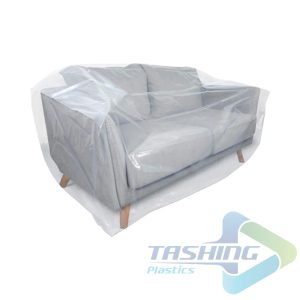
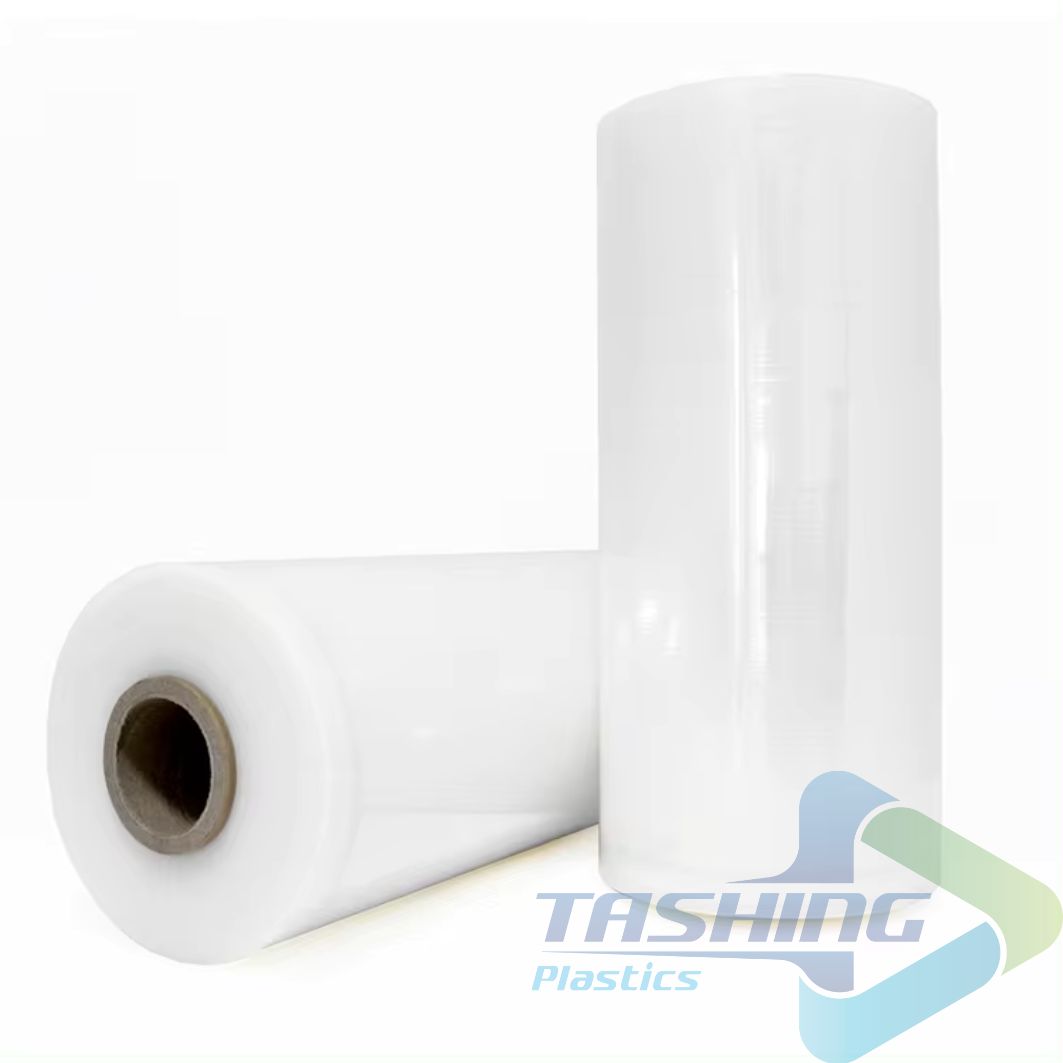
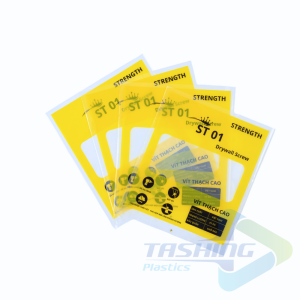
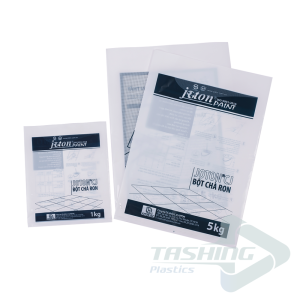
| Công năng: | Product packaging. |
| Kích thước | Customized. |
| Độ dày: | From 20 micron. |
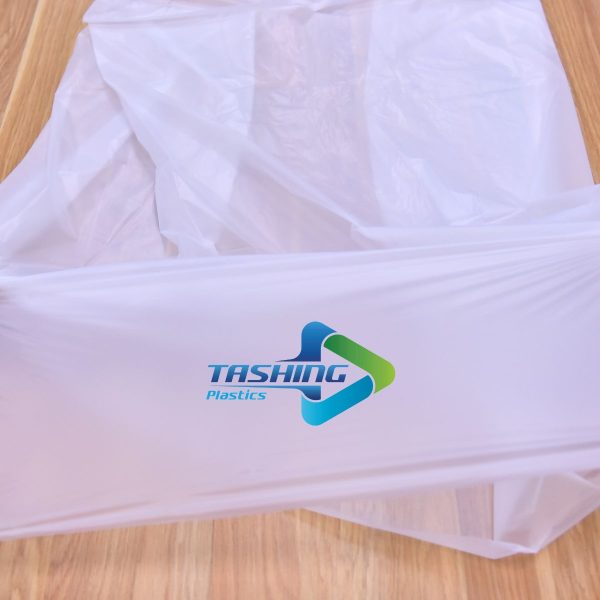
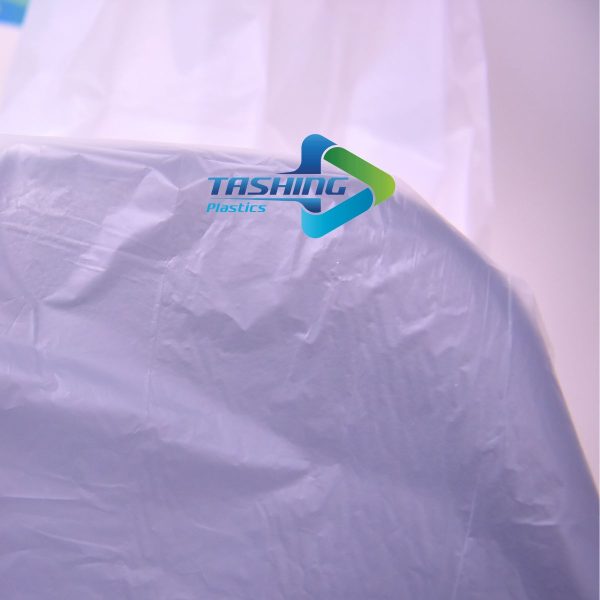
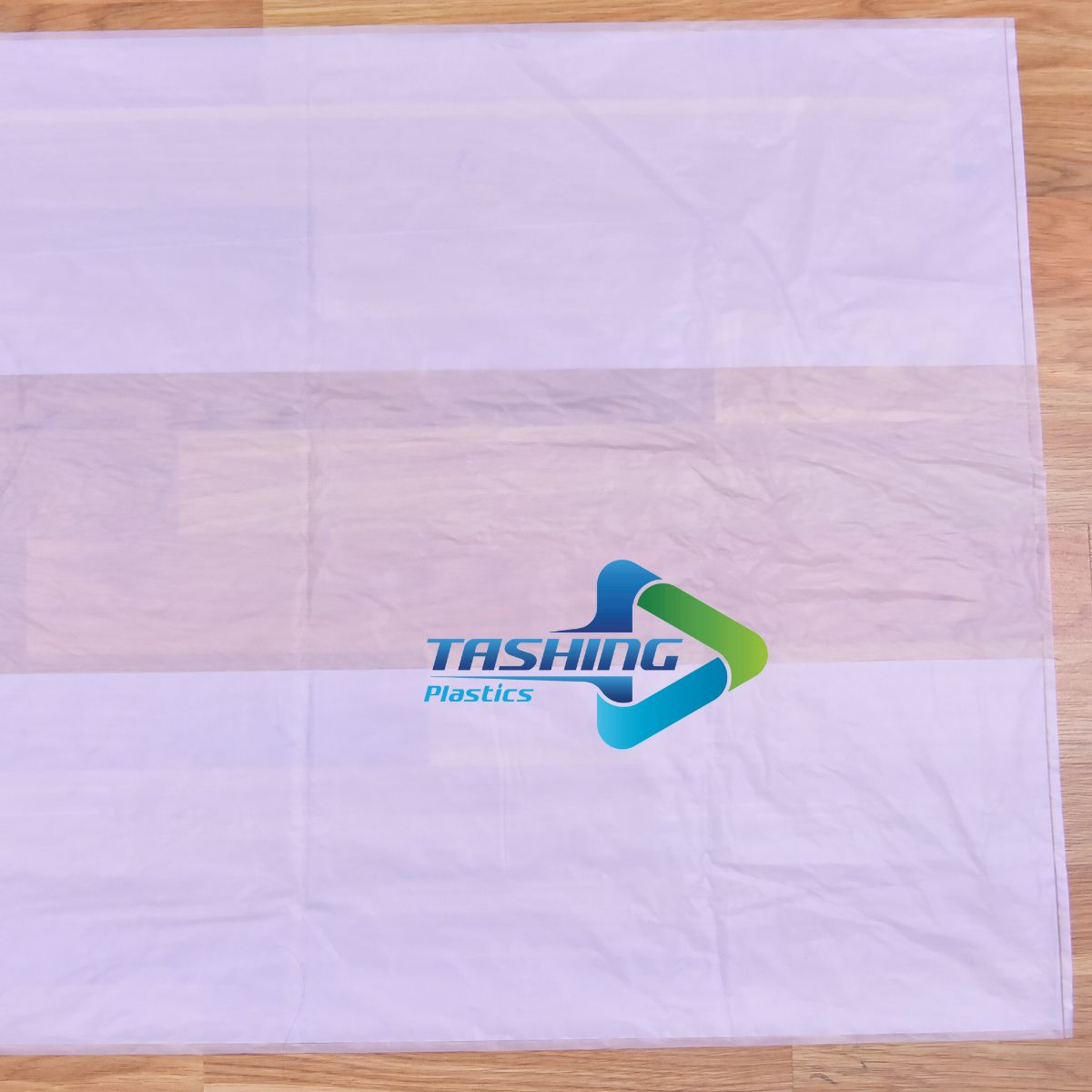
| Màu sắc: | Natural colors from resin granules (milky white, creamy white, etc.). |
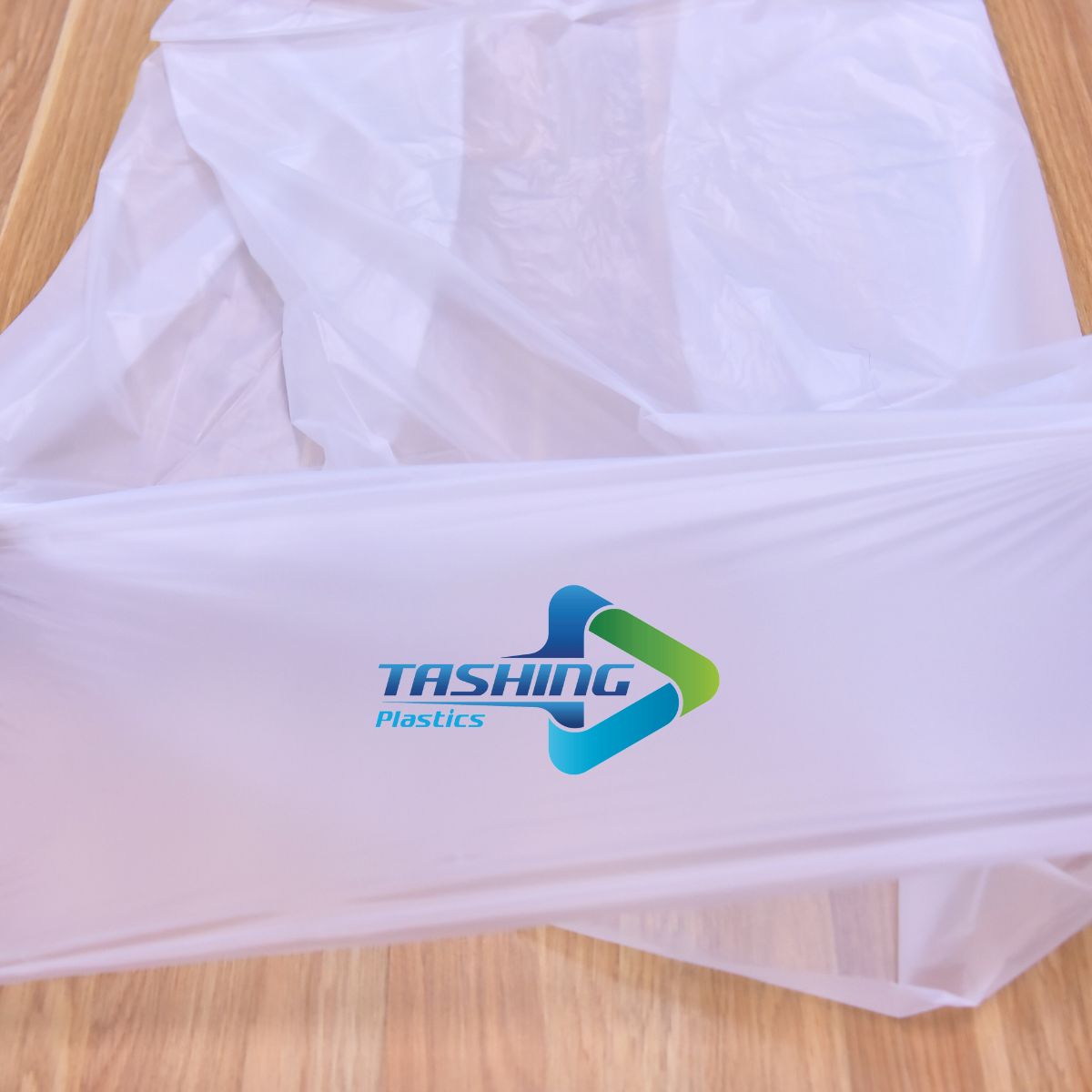
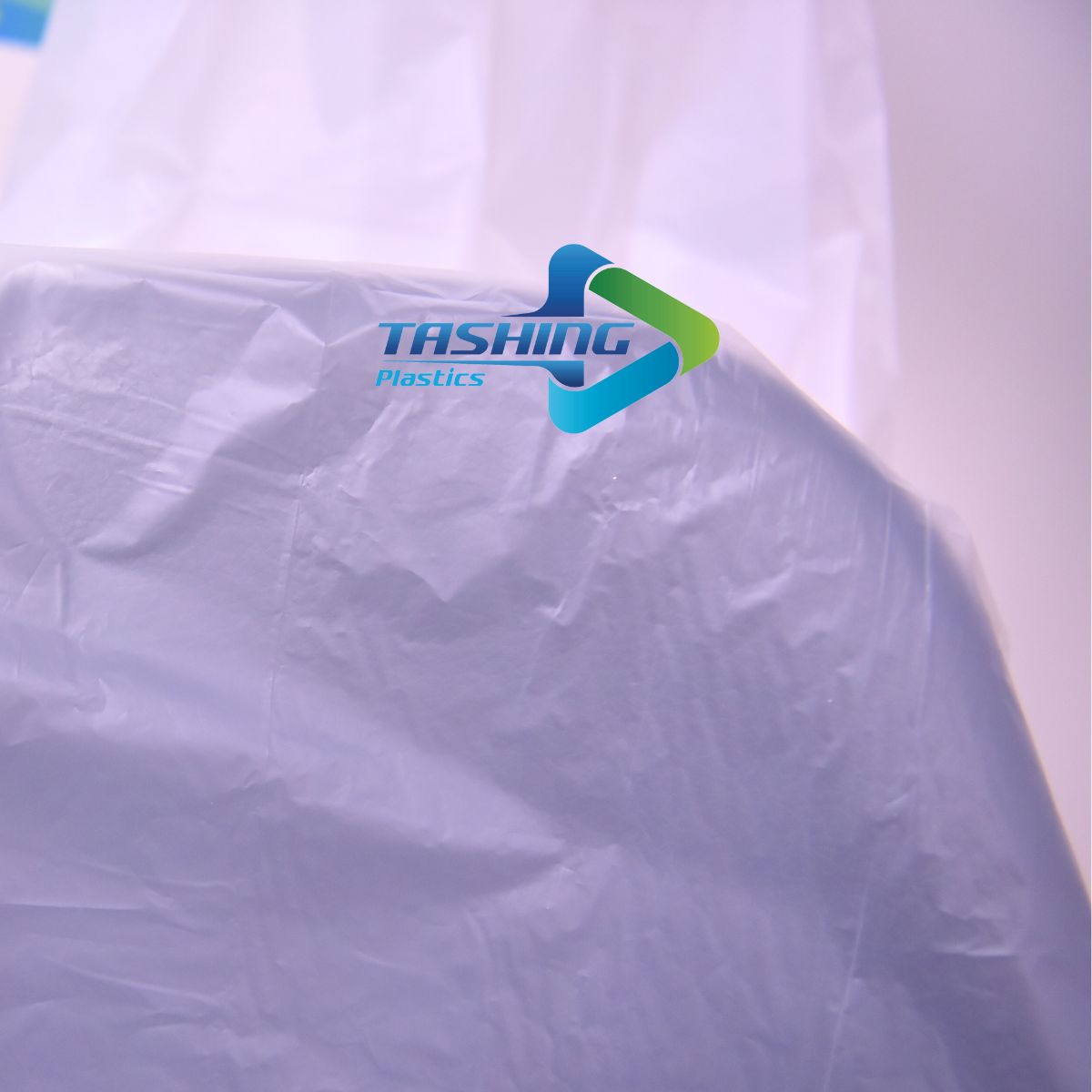
| Đặc điểm: | Durable, puncture-resistant, waterproof, dustproof, scratch-resistant, easy to use, and cost-effective. |
| Đóng gói: | The number of bags per kilogram varies depending on width, length, and thickness. |
- Description
Description
Explore Di Dai Hung’s Biodegradable Bags to empower your business with green and sustainable manufacturing solutions!
At Di Dai Hung (Tashing), we are committed to sustainable development by providing advanced biodegradable and compostable bag solutions. As a pioneer in the “Green Transition,” our products help businesses reduce their environmental footprint while maintaining superior packaging performance.
Learn more about eco-friendly products from Di Dai Hung: https://tashing.com.vn/en/danh-muc/flexible-packaging/eco-friendly-packaging/
Biodegradable Bags Composition
Biodegradable bags are eco-friendly packaging solutions designed to decompose under the influence of microorganisms in natural or industrial composting environments. Through this process, they break down into CO2, H2O, and organic humus, leaving no harmful residues. The primary raw materials used to manufacture this high-quality bioplastic include: PLA (Polylactic Acid): A bio-based polymer typically derived from renewable resources such as corn starch or sugarcane. PBAT (Polybutylene Adipate Terephthalate): A biodegradable random copolymer that provides the necessary flexibility, durability, and strength for the packaging.
PLA (Polylactic Acid) Bioplastic
PLA (Polylactic Acid) is a bio-based material derived from renewable plant starches such as corn, potatoes, and cassava. In terms of appearance and performance, PLA functions similarly to conventional plastics like Polyethylene Terephthalate (PET) and Polypropylene (PP).
The decomposition period for PLA is remarkably short, ranging from just a few months to a few years. When acted upon by microorganisms, this eco-friendly plastic completely breaks down into CO2, H2O, and organic humus, creating a significantly positive impact on the environment. Crucially, the decomposition of PLA does not substantially increase atmospheric CO2. When properly composted, it produces 70% fewer greenhouse gas emissions than traditional plastics, contributing to a meaningful reduction in a business’s carbon footprint:
- The Decomposition Process Mechanism: PLA undergoes a transformation into CO2 and H2O via enzymatic action, primarily within industrial composting facilities where high temperatures are maintained.
- Conditions: PLA does not degrade easily in typical open-air natural environments. It requires specific industrial composting conditions—including controlled temperature, humidity, and microbial activity—to achieve maximum decomposition efficiency.
Key Applications: Because PLA is non-toxic and biocompatible, it is widely utilized across various sectors today:
- Packaging Industry: Manufacturing of eco-friendly food wraps, supermarket shopping bags, and biodegradable garbage bags.
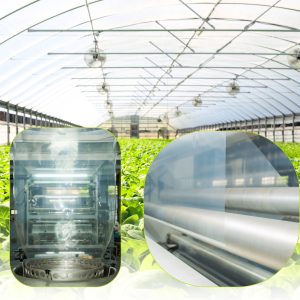
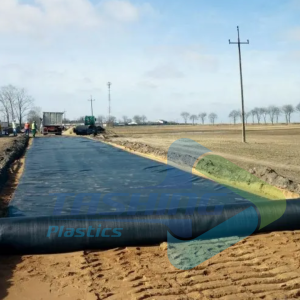
- Agriculture: PLA is used for bio-mulch films, which help accelerate fruit ripening, retain soil moisture, and protect crops from adverse weather conditions.
PBAT (Polybutylene Adipate Terephthalate) Bioplastic
PBAT (Polybutylene Adipate Terephthalate) is a fossil-based biodegradable polymer that can naturally decompose through the action of microorganisms in the environment. It is synthesized from two primary components: adipic acid and butylene glycol, combined with terephthalic acid (a common ingredient in PET plastic). As a result, PBAT possesses a unique combination of high flexibility and mechanical durability similar to traditional plastics, while maintaining excellent biodegradability.
Unlike many other biodegradable plastics that tend to be brittle or difficult to process, PBAT stands out for its flexibility and exceptional processability in manufacturing. This is why PBAT is increasingly used in eco-friendly products such as biodegradable garbage bags, food packaging, agricultural films, and food wraps.
Thanks to its unique properties and environmental benefits, PBAT is widely applied across several industries:
- Product Packaging: PBAT’s flexibility and moisture resistance make it ideal for packaging food items, electronic components, and apparel. Its effective barrier against gases and liquids helps significantly extend the shelf life of packaged goods.
- Agricultural Films: The toughness and moisture-resistant nature of PBAT make it a perfect fit for agricultural applications, including mulch films, greenhouse films, and silage films.
- Biodegradable Shopping Bags: PBAT is a primary material for producing high-quality biodegradable shopping bags, playing a crucial role in reducing plastic waste in the environment.
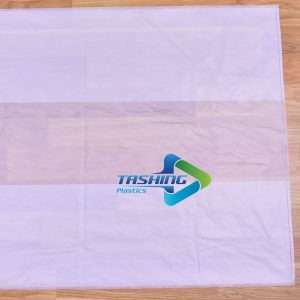
Di Dai Hung Biodegradable Bags – The Perfect Synergy of PLA and PBAT
By scientifically blending PLA and PBAT in precise ratios, Di Dai Hung creates biodegradable bags that are not only environmentally friendly but also highly functional for real-world applications.
1. Superior Biodegradability
Our bags are engineered to decompose effectively under appropriate conditions, significantly reducing microplastic residues and preventing long-term environmental pollution.
2. Safety – Free from Hazardous Substances
Di Dai Hung’s products are heavy-metal free, making them safe and ideal for packaging sensitive items such as food and electronic components. Our bags consistently meet widely recognized global environmental standards.
3. High Durability and Flexibility
The secret to the performance of our biodegradable bags lies in the strategic combination of materials:
- The Role of PLA: Provides the necessary structural integrity, stiffness, and shape retention for the bag.
- The Role of PBAT: Overcomes the natural brittleness of PLA, giving Di Dai Hung’s bags the flexibility and toughness required to carry heavy goods without tearing.
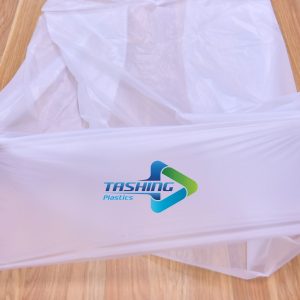
4. Custom and Flexible Biodegradable Bag Manufacturing
- Diverse Sizes and Thicknesses: Customized to meet specific customer requirements.
- Custom Branding: High-quality printing for logo and brand information to enhance your identity.
Applications of Biodegradable Bags:
Thanks to their high durability and aesthetic appeal, Di Dai Hung’s biodegradable bags are widely utilized across various sectors:
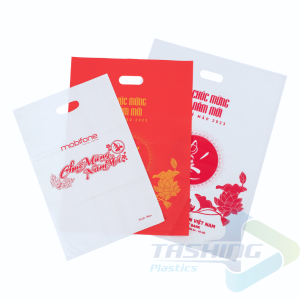
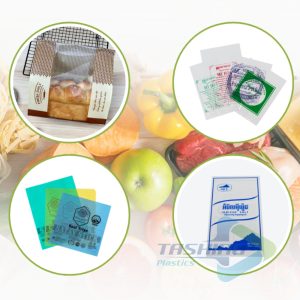
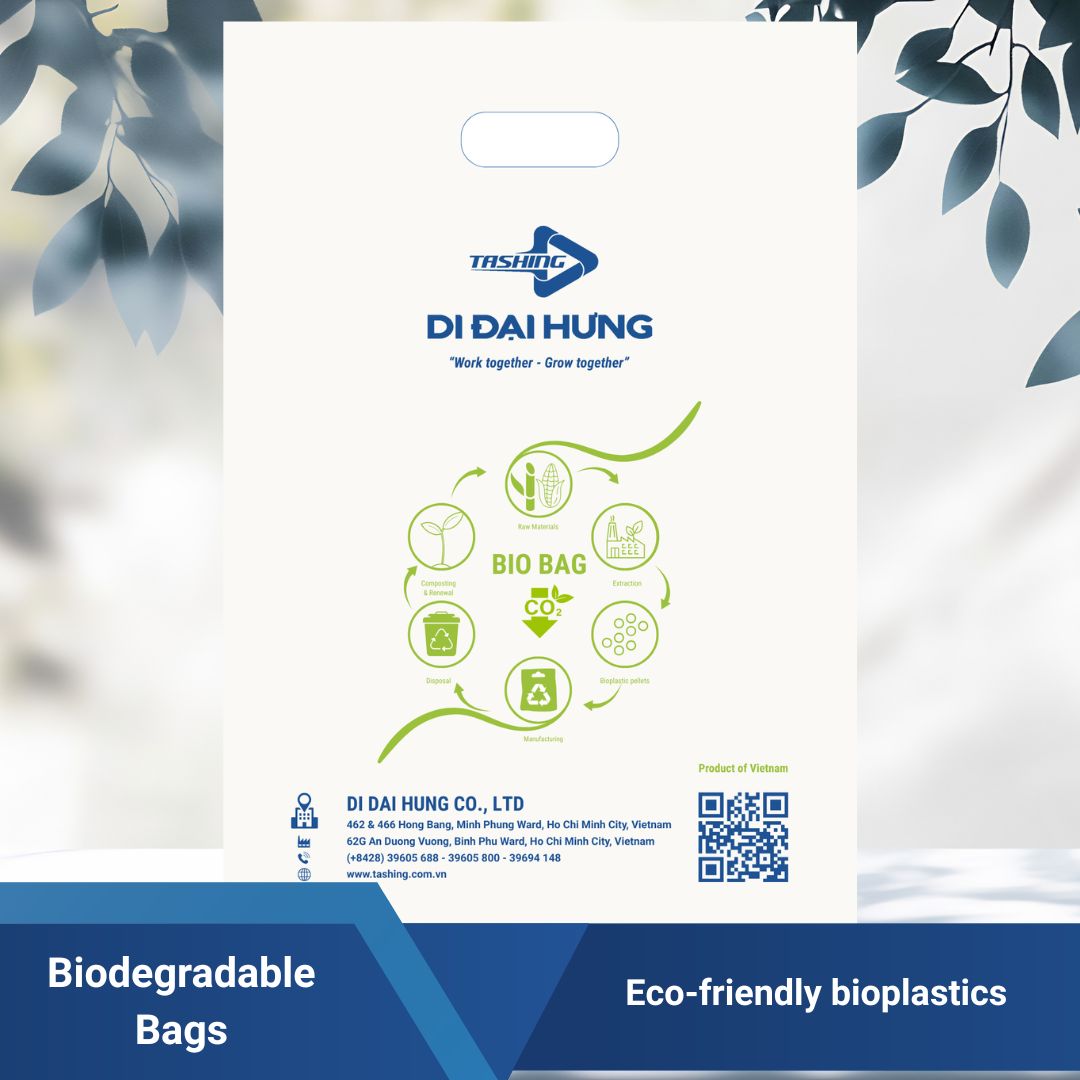
- Retail & Supermarkets: Used as high-quality shopping bags (T-shirt bags), providing a sustainable alternative to traditional plastic bags at checkout counters.
- Food Industry: Ideal for produce rolls used to package fresh food in supermarkets or for food preservation in household.
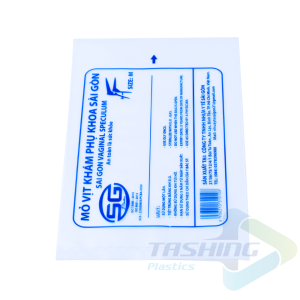
- Industrial Packaging: Electronic component packaging: Ensuring safe storage and protection for sensitive devices.
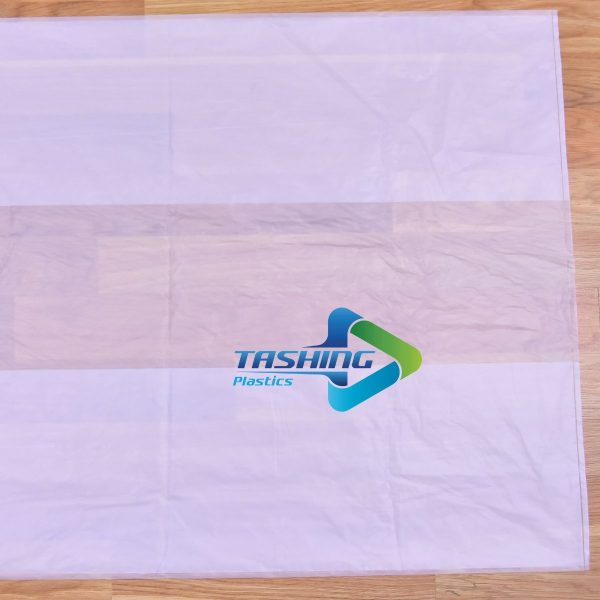
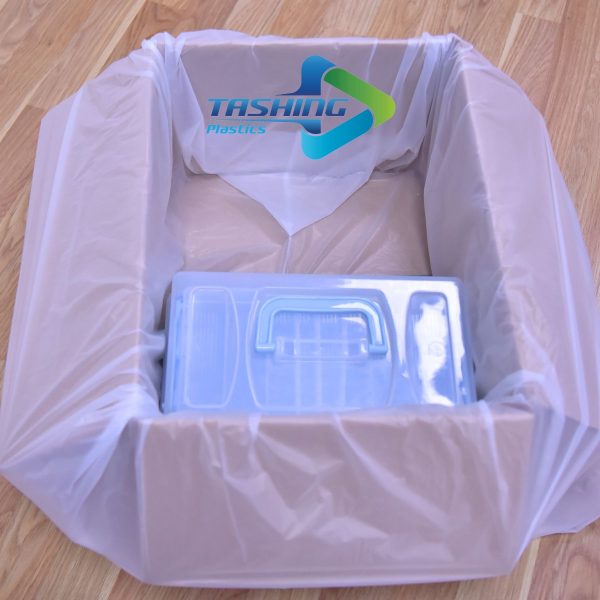
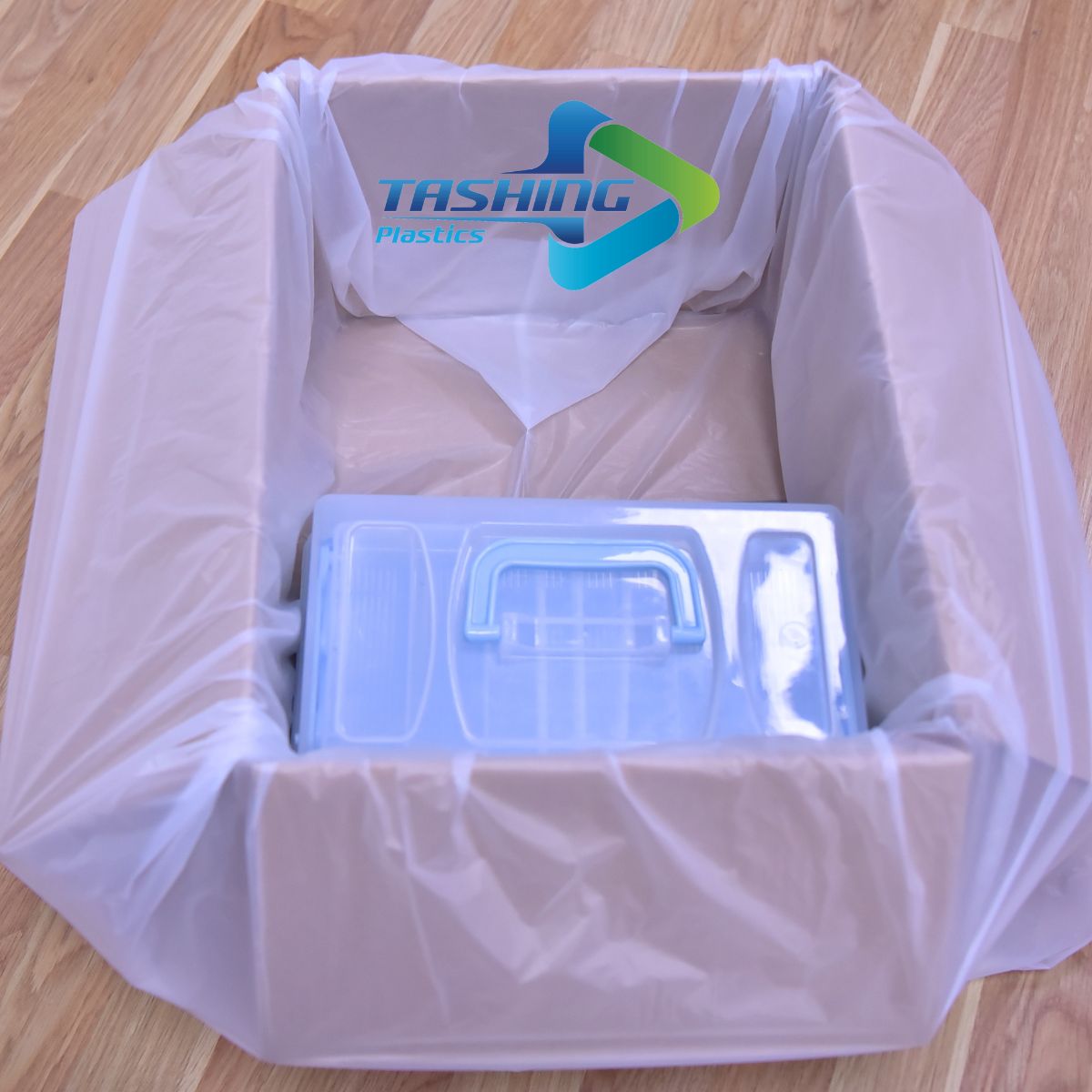
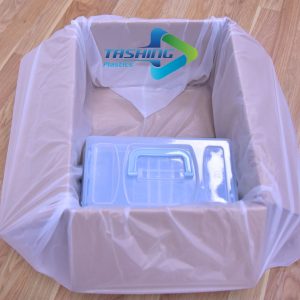
- Box liners & protective packaging: Supporting export products in meeting international green standards.
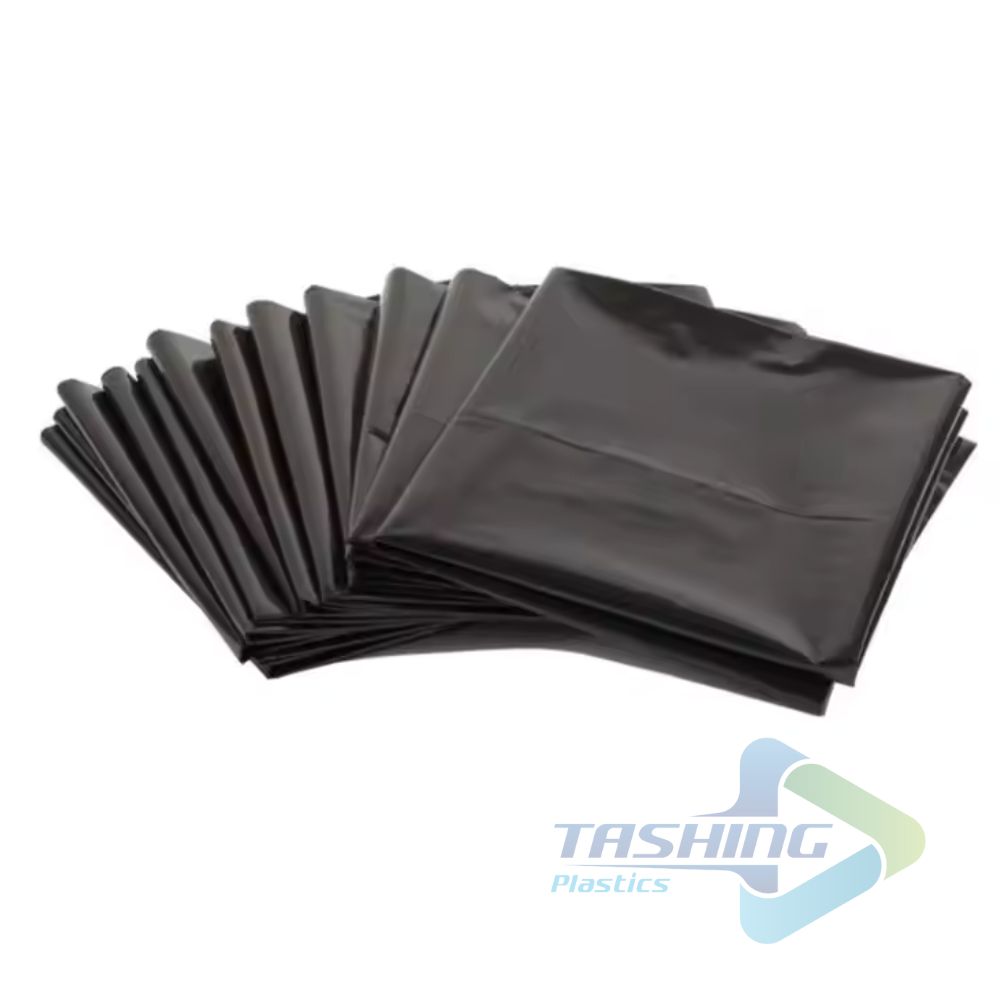
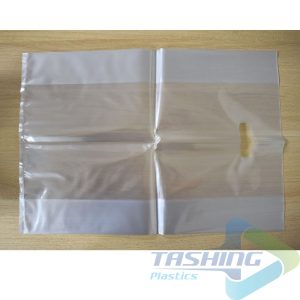
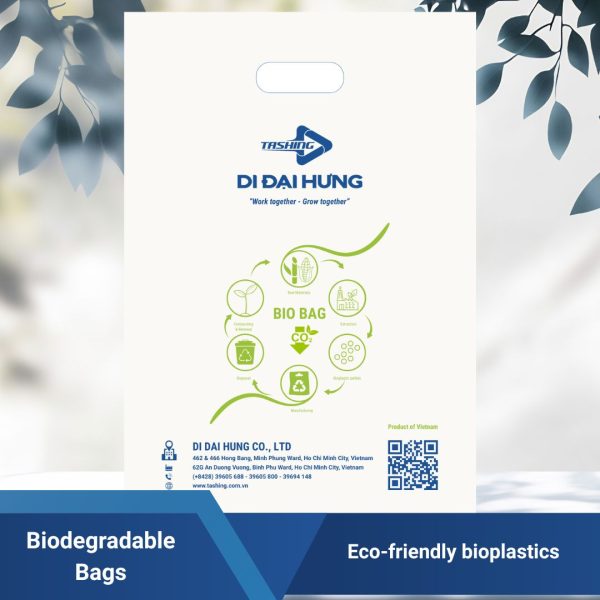
- Daily Consumer Goods: Used as biodegradable garbage bags, as well as die-cut bags for fashion boutiques and cosmetic shops.
DI DAI HUNG – YOUR STRATEGIC PACKAGING PARTNER FOR SUSTAINABLE MANUFACTURING
With over 40 years of expertise in flexible plastic packaging, Di Dai Hung Co., Ltd. is committed to providing high-quality biodegradable solutions. Our production is strictly controlled under the ISO 9001:2015 Quality Management System, ensuring every product meets the rigorous standards of the manufacturing, retail, and export industries.
We are proud to accompany businesses on their journey toward sustainable manufacturing, striving for Net Zero targets and solidifying their presence on the global trade map.
Contact us today for a customized, optimized packaging solution for your business!