

Affordable Plastic Food Bags for Businesses
15/05/2026In the bustling world of food service, efficiency and cost-effectiveness are paramount. Finding reliable and cheap plastic food bags is a critical step for eateries and restaurants looking to manage their operational expenses without compromising on quality or hygiene. These essential packaging solutions play a pivotal role in daily operations, from food preparation and storage to delivery, ensuring products remain fresh and secure.
The Essential Role of Plastic Food Bags in Modern Catering
Plastic food bags have become an indispensable component of the modern catering and restaurant industry. Their versatility, durability, and cost-efficiency make them the go-to choice for a myriad of applications. From storing raw ingredients to packaging prepared meals for takeout, these bags ensure food safety and streamline operations.
Enhancing Food Safety and Preservation
One of the primary benefits of using high-quality cheap plastic food bags is their ability to preserve food freshness and prevent contamination. They create a protective barrier against external elements like air, moisture, and potential contaminants, which can compromise food quality and lead to spoilage. For restaurants, this means reduced waste and extended shelf life for ingredients, ultimately translating into significant cost savings. The non-reactive nature of food-grade plastic ensures that the taste and integrity of the food are maintained, providing customers with a consistent, enjoyable experience.
Streamlining Operations and Convenience
Beyond preservation, these bags offer unparalleled convenience. They are lightweight, easy to store, and simple to use, accelerating packaging processes in busy kitchen environments. For takeout and delivery services, the robust nature of good quality plastic bags means less worry about leaks or tears during transit, safeguarding both the food and the customer’s experience. Tashing, for instance, understands these needs and focuses on supplying inexpensive plastic food bags that meet the high demands of eateries and restaurants, ensuring that operational flow is never interrupted by packaging concerns.
Finding Value: What Makes Plastic Food Bags ‘Cheap’ (and Good)?
The term ‘cheap’ often carries negative connotations, suggesting low quality or compromise. However, when it comes to cheap plastic food bags, it refers to cost-effective solutions that deliver excellent performance without breaking the bank. Understanding what constitutes good value is crucial for businesses aiming to optimize their purchasing strategy.
Factors Influencing Cost-Effectiveness
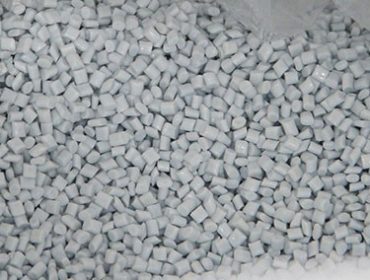
Several factors contribute to the affordability of plastic food bags. Material choice is significant; common plastics like polyethylene (PE) and polypropylene (PP) are inherently cost-effective to produce. Manufacturing efficiency, the scale of production, and supplier relationships all play a role in driving down unit costs. Furthermore, purchasing in bulk quantities is perhaps the most direct way for restaurants and eateries to secure significantly lower prices per bag. A large order from a dedicated supplier can dramatically reduce overall packaging expenditure, making it a smart financial move for high-volume establishments.
Quality vs. Cost: Striking the Right Balance
Achieving a balance between cost and quality is essential. While the goal is to find cheap plastic food bags, compromising on food-grade certification, tear resistance, or seal integrity can lead to costly consequences like food spoilage, customer complaints, and reputational damage. Reputable suppliers ensure their inexpensive products still meet rigorous industry standards for safety and performance. Businesses should look for bags that offer adequate thickness for their intended use, reliable seals, and materials that are approved for direct food contact, even if they come at a lower price point.
Types of Plastic Food Bags: Matching Needs with Materials
The world of plastic food bags is diverse, with various types designed for specific applications. Understanding the different materials and their properties is key to selecting the most appropriate and cost-effective packaging for any food business.
Polyethylene (PE) vs. Polypropylene (PP) Packaging
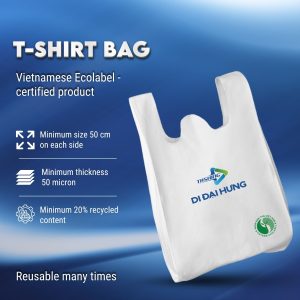
Two of the most common plastics used for food bags are polyethylene (PE) and polypropylene (PP). Each has distinct characteristics that make them suitable for different uses. PE bags, particularly low-density polyethylene (LDPE), are known for their flexibility, tear resistance, and moisture barrier properties, making them ideal for packaging fresh produce, baked goods, and frozen items. High-density polyethylene (HDPE) bags are stronger, more opaque, and offer excellent vapor and moisture barriers, often used for deli bags or T-shirt style grocery bags.
PP bags, on the other hand, offer superior clarity, rigidity, and a higher melting point, making them suitable for items that require heat sealing or microwave reheating, such as hot food items or pre-packaged meals. They also provide an excellent barrier against grease and oil, making them perfect for fried foods or greasy snacks. To truly understand which material best suits your specific culinary needs, it’s beneficial to compare pp and pe packaging options closely. This comparison helps in making an informed decision that balances performance, cost, and presentation.
Exploring Different Bag Styles and Features
Beyond material, bags come in various styles: flat bags, gusseted bags (which expand for bulkier items), stand-up pouches, and reclosable zipper bags. Each style offers unique advantages. Reclosable bags, for example, add significant value for customers, allowing them to store leftovers safely. Custom sizing, printing, and sealing options further enhance functionality and branding opportunities, allowing businesses to tailor their cheap plastic food bags to their exact specifications while maintaining a professional image.
The Benefits of Sourcing from a Dedicated Supplier
Partnering with the right supplier is as crucial as selecting the right bags. A dedicated packaging supplier offers more than just products; they provide expertise, reliability, and often, significant cost advantages.
Reliability and Consistent Quality
A reputable supplier ensures a consistent supply of high-quality products. For businesses reliant on a steady flow of packaging, this reliability is invaluable, preventing costly disruptions. Such suppliers adhere to strict quality control measures, guaranteeing that every batch of cheap plastic food bags meets the necessary food safety and performance standards. This consistency protects your brand’s reputation and ensures customer satisfaction.
Bulk Purchasing Advantages and Customization
One of the most significant benefits of working with a dedicated supplier is the access to bulk purchasing discounts. Buying large quantities of plastic food bags directly from a manufacturer or large distributor drastically reduces the per-unit cost. Furthermore, many suppliers offer customization services, allowing businesses to brand their bags with logos or specific designs. This not only enhances brand visibility but also presents a more professional image to customers. Tashing, for instance, excels at being a Flexible Plastic Packaging Supplier, capable of handling diverse orders, from standard sizes to bespoke solutions, ensuring eateries and restaurants always have access to packaging that perfectly fits their unique requirements.
Expert Advice and Support
Beyond products, dedicated suppliers often provide invaluable expertise. They can advise on the best materials, sizes, and styles for specific applications, helping businesses make informed decisions that optimize both cost and functionality. Their understanding of industry trends and regulations ensures that clients remain compliant and competitive, making them a true partner in operational success.
Maximizing Efficiency with Smart Packaging Choices
Choosing the right packaging is not just about containment; it’s about enhancing operational efficiency, improving customer experience, and ultimately, contributing to the bottom line. Smart packaging choices, even with cheap plastic food bags, can have a ripple effect throughout a food business.
Optimizing Storage and Inventory Management
Well-selected plastic bags can significantly optimize storage space in a commercial kitchen or storeroom. Bags that are easily stackable, compact when empty, and clearly labeled contribute to better organization and inventory management. This reduces search time, minimizes waste due to spoilage or expired products, and ensures that staff can quickly access the right packaging for their needs. For restaurants and eateries, this efficiency directly translates into smoother daily operations and less time spent on non-productive tasks.
Enhancing Food Presentation and Delivery Logistics
The right bag can also elevate the presentation of food, which is crucial for customer perception, especially in takeout and delivery services. Clear plastic bags allow for an appealing visual display of products, while durable, leak-proof options instill confidence in customers that their meal will arrive intact and fresh. Bags designed for specific delivery needs, such as those that maintain temperature or offer easy portability, further enhance the delivery experience, leading to higher customer satisfaction and repeat business. Tashing’s range of inexpensive plastic food bags is designed with these practical considerations in mind, ensuring ease of use from kitchen to customer.
Sustainable Practices and Your Plastic Packaging
While the focus is often on cost and convenience, businesses are increasingly aware of their environmental impact. Incorporating sustainable practices, even with plastic packaging, is becoming a critical consideration for modern food service operations.
Navigating Environmental Concerns with Plastic
The environmental footprint of plastic packaging is a common concern. However, advancements in plastic technology and recycling infrastructure are offering new avenues for responsible usage. Choosing cheap plastic food bags made from recycled content, or those that are themselves easily recyclable, can significantly mitigate environmental impact. Businesses should also investigate options for compostable or biodegradable plastics, though their availability and suitability for various food applications may vary. Educating customers on proper disposal and recycling practices for their food bags also plays a vital role in promoting a more circular economy.
The Role of Responsible Sourcing and Disposal
Responsible sourcing extends beyond just the initial purchase price; it includes considering the entire lifecycle of the product. Partnering with suppliers who are committed to sustainable manufacturing processes and offering guidance on end-of-life solutions is beneficial. Implementing in-house recycling programs for clean plastic waste and encouraging customers to participate in community recycling initiatives demonstrates a commitment to environmental stewardship. This not only benefits the planet but also enhances the brand image for environmentally conscious consumers, demonstrating that even with inexpensive plastic solutions, a business can operate responsibly.
Secure Your Savings: The Future of Food Packaging
Investing in the right cheap plastic food bags is a strategic decision that impacts every facet of a food business, from operational efficiency and food safety to customer satisfaction and environmental responsibility. By carefully selecting materials, partnering with reliable suppliers like Tashing who understand the unique demands of eateries and restaurants, and adopting smart inventory practices, businesses can achieve significant cost savings without compromising on quality or their commitment to a sustainable future. The future of food packaging lies in smart, cost-effective solutions that deliver on all fronts.