

Plastic Plant Pot Manufacturer Vietnam | Nursery Pots OEM
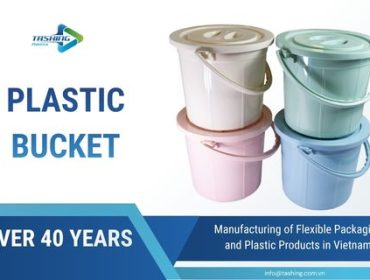
05/06/2026Plastic Plant Pot Manufacturer Vietnam. Tashing has been moulding plastic products in Ho Chi Minh City since 1982. Our nursery pot line covers PP containers from 15 cm to 24 cm diameter, produced on our own injection moulding floor under ISO 9001:2015
Growers, garden centres and horticultural distributors source from us on two terms: existing moulds with your colour and branding, or a private mould developed to your drawing and held exclusively for you.
Lear more of our flower pot products here.: https://tashing.com.vn/en/danh-muc/household-industrial-plastics/watering-cans-flower-pots/
The Essential Role of a Plant Pot in Modern Gardening
In contemporary gardening, the plant pot plays an indispensable role, moving beyond its basic function as a mere vessel. It is a carefully selected home that influences everything from root development to moisture retention and overall plant vigor. Understanding its multifaceted importance is crucial for any gardener, whether you’re cultivating a vibrant indoor jungle or designing an expansive outdoor display.
A well-chosen plant pot provides the necessary structure and environment for roots to thrive, dictating the health and longevity of your beloved greenery. It’s the silent hero of successful cultivation, offering both practical benefits and an opportunity for artistic expression within your garden or home.
More Than Just a Container: Benefits of Proper Potting
Proper potting offers a multitude of benefits that extend far beyond simply holding soil. Firstly, it ensures optimal drainage, preventing waterlogging that can lead to root rot – a common killer of container plants.
Effective drainage allows roots to breathe, promoting healthy oxygen exchange. Secondly, plant pots provide essential aeration for the root system, crucial for nutrient absorption and overall plant vitality. Without adequate airflow, roots can suffocate and become susceptible to diseases. Thirdly, the right pot size allows roots to develop without becoming root-bound, a condition that stunts growth.
Lastly, one of the most significant advantages of using plant pots is the unmatched portability they offer. This allows gardeners to easily rearrange layouts, bring sensitive plants indoors during harsh weather, or simply move them to capture optimal sunlight, providing flexibility that traditional in-ground planting cannot match.
Choosing the Right Plant Pot for Your Greenery
Selecting the ideal plant pot is a critical decision that directly impacts your plant’s success and your garden’s aesthetic appeal. Several key factors must be carefully considered to ensure you make the best choice.
The first and arguably most important is size. A pot that is too small will restrict root growth and lead to a root-bound plant, while one that is too large can hold excessive moisture, increasing the risk of root rot. Matching the pot’s size to your plant’s current needs and anticipated growth is fundamental.
Next, the material of the plant pot significantly influences its functionality, affecting drainage, insulation, and weight. Different materials offer distinct advantages and disadvantages, which should be weighed against your specific environmental conditions and plant requirements.
Finally, aesthetic considerations play a vital role. The plant pot should complement both your plant and its surroundings, contributing to the overall beauty and harmony of your space. Whether you prefer a rustic, modern, or classic look, the pot’s color, texture, and design can greatly enhance your gardening display.
Exploring Diverse Plant Pot Materials and Their Advantages
The world of plant pots is incredibly diverse, offering a material for every plant, preference, and purpose. Each material brings its own unique set of characteristics, impacting everything from water retention and breathability to durability and aesthetic appeal.
Understanding these differences is key to making informed decisions that will benefit your plants and enhance your gardening experience. From traditional porous options to modern innovations, the choice of material fundamentally influences how you care for your plants and how they thrive.
Let’s delve into the most popular materials and explore what makes each one suitable for different gardening scenarios, ensuring your plants receive the best possible environment.
Terracotta Pots: The Classic Choice
Terracotta plant pots, with their distinctive reddish-brown hue, are a timeless favorite among gardeners. Made from porous baked clay, their primary advantage lies in their excellent breathability.
The porous nature of terracotta allows air and moisture to pass through its walls, which helps to aerate the soil and prevent root rot, making them ideal for plants that prefer drier conditions or are susceptible to overwatering.
This natural evaporation also helps to cool the soil, protecting roots from extreme heat. Terracotta pots offer a classic, earthy aesthetic that complements a wide range of plants and garden styles, providing a natural and rustic charm.
However, their fragility means they can break easily if dropped, and their weight can make larger pots difficult to move. They also tend to dry out faster than non-porous options, requiring more frequent watering, especially in hot climates.
Plastic Pots: Versatility and Affordability
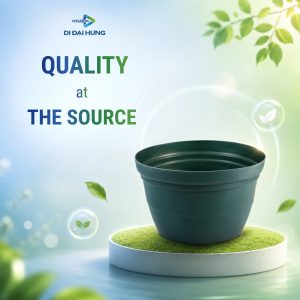
Plastic Plant Pot Manufacturer Vietnam have become ubiquitous in modern gardening due to their incredible versatility and budget-friendly pricing. These lightweight containers are available in an astonishing array of shapes, sizes, and colors, offering gardeners endless options for customization.
Their non-porous nature means they retain moisture exceptionally well, reducing the frequency of watering compared to terracotta, which is a significant advantage for moisture-loving plants or busy gardeners. Plastic pots are durable, resistant to shattering, and can withstand various weather conditions without cracking or breaking, offering a long lifespan. They are also incredibly easy to clean and sanitize.
While plastic pots are highly practical, some argue they lack the aesthetic charm of natural materials. Furthermore, unlike biodegradable options, their environmental impact is a concern unless they are made from recycled materials. The widespread availability of plastic items, including cheap plastic food bags, highlights the need for sustainable choices in all plastic products we use.
Ceramic and Glazed Pots: Style Meets Function
Ceramic and glazed plant pots represent a perfect marriage of style and functionality. These pots are often chosen for their stunning aesthetic appeal, available in a vast spectrum of colors, patterns, and finishes that can serve as beautiful decorative elements in any space.
The glazing process seals the clay, making these pots non-porous. This characteristic allows them to retain moisture effectively, similar to plastic pots, which can be beneficial for plants that require consistent soil dampness.
Their substantial weight provides excellent stability, making them ideal for larger plants or windy outdoor environments where lighter pots might tip over. However, this weight can also be a disadvantage, making them difficult to move once planted.
Ceramic pots are generally more expensive than terracotta or plastic options and, like terracotta, they can be fragile and prone to cracking or chipping if handled roughly or exposed to freezing temperatures when wet. Their non-porous nature also means less soil aeration, so careful attention to drainage holes is crucial.
Concrete and Stone Pots: Durability and Grandeur
For gardeners seeking ultimate durability and a statement piece, concrete and natural stone plant pots are unparalleled. These heavy-duty containers exude a sense of permanence and grandeur, making them ideal for anchoring garden designs or providing a robust home for large, long-lived plants.
Their extreme weight ensures incredible stability, resisting strong winds and accidental knocks. Both materials are exceptionally durable, capable of withstanding harsh weather conditions, from intense sun to freezing temperatures, without degradation.
Concrete pots can be molded into intricate designs and often develop a beautiful patina over time, while natural stone offers an organic, timeless beauty. However, their sheer weight makes them extremely difficult to relocate once filled, requiring careful planning for placement.
They also tend to be among the most expensive plant pot options. While they provide excellent insulation against temperature fluctuations, their bulk means they can be challenging for the average home gardener to handle.
Biodegradable Pots: Eco-Friendly Options
Biodegradable plant pots represent an excellent eco-friendly choice for environmentally conscious gardeners. These innovative containers are typically made from materials such as peat, coconut coir, wood pulp, or even recycled paper.
Their primary advantage is that they can be planted directly into the ground with the seedling, eliminating transplant shock by minimizing root disturbance. As the plant grows, the pot naturally decomposes into the soil, enriching it with organic matter.
This not only saves time and effort during transplanting but also reduces plastic waste in landfills. Biodegradable pots are particularly well-suited for starting seeds and seedlings that will eventually be moved outdoors.
However, they are not designed for long-term cultivation, as their decomposition is intended to occur within a growing season. They also tend to dry out faster and are more susceptible to mold or degradation if kept too wet for extended periods. Despite these limitations, they are a fantastic sustainable solution for temporary planting and promoting healthy, undisturbed root development during crucial early growth stages.
Factors to Consider When Selecting Your Ideal Plastic Plant Pot Manufacturer Vietnam
Choosing the right plant pot is not merely about aesthetics; it’s a strategic decision that profoundly impacts your plant’s health and longevity. Beyond material, several other critical factors must guide your selection process to ensure your greenery thrives.
These considerations, from appropriate sizing to essential drainage and overall garden harmony, are interdependent and require careful thought. A well-selected pot provides the optimal environment for root development, regulates moisture levels, and offers protection from external stressors.
By paying close attention to these details, you can significantly enhance your gardening success and create a visually appealing, healthy botanical display.
Matching Pot Size to Plant Needs
One of the most crucial aspects of selecting a plant pot is ensuring its size is appropriate for your plant’s specific needs. The general rule of thumb is to choose a pot that is proportional to the plant’s current size and its anticipated growth habit.
For small seedlings or plants with compact root systems, a smaller pot is ideal as it prevents the soil from remaining overly saturated, which can lead to root rot. Conversely, a large, fast-growing plant with an extensive root system will require a more substantial pot to allow for ample growth and stability.
If a pot is too small, roots will quickly become root-bound, circling the container and choking the plant’s ability to absorb water and nutrients. If it’s too large, the excess soil will retain too much moisture, creating an anaerobic environment detrimental to root health. Always consider the plant’s mature size and its typical growth rate when making your selection, planning for repotting as it grows.
Drainage is Key: Understanding Pot Holes and Saucers
Effective drainage is arguably the most critical feature of any plant pot, regardless of its material. Without adequate drainage, excess water will accumulate at the bottom of the pot, suffocating roots and inevitably leading to root rot, a fatal condition for most plants.
Therefore, ensure that every plant pot you choose has sufficient drainage holes at its base. A single small hole might suffice for a very small pot, but larger pots typically benefit from multiple holes to facilitate efficient water exit. Saucers are designed to catch this runoff, protecting your surfaces from water damage and making them an essential accompaniment to any potted plant.
While saucers are practical, it’s crucial not to let your plant sit in standing water for extended periods, as this negates the purpose of good drainage. Always empty saucers after watering, or allow the plant to absorb any residual water within an hour or so, to maintain optimal root health and prevent disease.
Aesthetic Appeal and Garden Harmony
Beyond the functional aspects, the aesthetic appeal of a plant pot plays a significant role in creating a cohesive and inviting garden or indoor space. The pot should not only serve its purpose but also enhance the visual harmony of its surroundings. Consider the pot’s color, texture, and style in relation to your existing decor and the plant it will house.
A brightly colored pot might add a playful pop to a minimalist space, while an earthy terracotta pot can perfectly complement a rustic or natural garden theme. The texture of the pot, whether smooth, rough, glazed, or matte, also contributes to the overall tactile and visual experience.
Think about how the pot’s form and finish will interact with the plant’s foliage and flowers. Ultimately, the goal is to select a plant pot that not only supports your plant’s health but also contributes positively to the desired ambiance, making your green space truly your own, a testament to thoughtful design.
Caring for Your Plant Pots and Maximizing Their Lifespan
Proper care and maintenance of your plant pots are just as important as caring for the plants themselves. Investing a little time in looking after your containers can significantly extend their lifespan, prevent the spread of diseases, and ensure they remain an attractive feature in your garden or home for years to come.
From regular cleaning to timely repotting, these practices contribute not only to the durability of your pots but also to the continued health and vitality of your plants. Understanding how to maintain your pots effectively means less frequent replacement, better plant growth, and a more sustainable gardening approach overall. Let’s explore the essential steps to keep your plant pots in prime condition.
Cleaning and Maintenance Tips
Regular cleaning and maintenance are essential for maximizing the lifespan of your plant pots and ensuring a healthy environment for your plants. Over time, pots can accumulate mineral deposits, algae, and even disease-causing pathogens.
To clean them, start by removing any old soil and debris. For terracotta pots, a stiff brush and a solution of warm water with a splash of white vinegar or a mild bleach solution (1 part bleach to 9 parts water) can help remove mineral buildup and sterilize the surface.
Scrub thoroughly, both inside and out, then rinse completely. For plastic, ceramic, or glazed pots, warm soapy water is usually sufficient; use a non-abrasive scrubber to avoid scratching. Disinfecting pots, especially when reusing them for new plants, is crucial to prevent the spread of pests and diseases.
Always allow pots to dry completely before refilling them with fresh potting mix. Regular maintenance, like occasionally wiping down the exterior of decorative pots, helps preserve their aesthetic appeal and keeps them looking fresh.
Repotting: When and How to Upgrade Your Plant Pot
Repotting is a critical aspect of plant care, signaling an upgrade for your plant’s home when its current plant pot becomes too restrictive. Recognizing the signs that a plant needs repotting is key to its continued health.
Common indicators include roots growing out of the drainage holes, water running straight through the soil without being absorbed, stunted growth, or the plant appearing top-heavy and unstable. Generally, most plants benefit from repotting every one to two years, though fast-growing species might need it more frequently.
When repotting, choose a new plant pot that is only one or two sizes larger than the current one – typically 1 to 2 inches wider in diameter. A pot that is too large can lead to excess moisture retention and root rot.
Gently remove the plant from its old pot, loosen any circling roots, and place it in the new pot with fresh potting mix, ensuring the plant is at the same depth as before. Water thoroughly after repotting to help the soil settle and reduce transplant shock, giving your plant a fresh start.
Sustainable Choices in Plastic Plant Pot Manufacturer Vietnam
In an era increasingly focused on environmental responsibility, the manufacturing of plant pots is evolving to embrace more sustainable practices. Consumers and producers alike are recognizing the importance of reducing ecological footprints, leading to a surge in eco-friendly alternatives.
Making sustainable choices in plant pot manufacturing not only helps protect our planet but also contributes to a healthier, more conscious gardening community. From utilizing recycled materials to supporting ethical production, these choices reflect a growing commitment to environmental stewardship.
By understanding and opting for these sustainable options, gardeners can contribute positively to global efforts to conserve resources, minimize waste, and foster a greener future, making every plant pot purchase a step towards a more sustainable world.
The Rise of Recycled Plastic Plant Pot Manufacturers in Vietnam
The increasing awareness of environmental issues has driven a significant rise in the use of recycled materials for plant pot manufacturing. This innovative approach helps to divert waste from landfills, reducing the demand for virgin resources and lowering the carbon footprint associated with production.
Recycled plastic, for instance, is now commonly used to create durable, lightweight, and often stylish pots that offer all the benefits of traditional plastic but with a much-improved environmental profile.
Beyond plastics, other recycled materials, such as reclaimed wood fibers or composites, are also finding their way into pot production, offering unique textures and biodegradable properties. Choosing a plant pot made from recycled content directly supports circular economy principles and contributes to a more sustainable industry. It’s a simple yet impactful way for gardeners to make a positive environmental choice, proving that functionality and ecological responsibility can go hand-in-hand in the garden.
Supporting Local and Ethical Production
Beyond the materials themselves, the origin and manufacturing practices of your plant pot significantly impact its sustainability profile. Supporting local and ethical production means choosing pots made by companies that adhere to fair labor practices and environmentally sound manufacturing processes.
This often involves reducing transportation emissions, ensuring safe working conditions, and utilizing energy-efficient methods. For example, a company committed to ethical production might ensure fair wages for its workers, or invest in cleaner energy sources for its facilities.
When you choose products from such suppliers, you’re not just buying a pot; you’re supporting a business model that values people and the planet. This extends to other products too; finding a Plastic Basket good price from a reputable, ethically conscious manufacturer ensures that your purchasing power contributes to a positive chain of production. It’s a holistic approach to consumption, where every purchase is an opportunity to endorse responsible business practices and foster a more equitable and sustainable global economy.
Unbeatable Quality and Value: Discover DI DAI HUNG CO., LTD Plastic Plant Pot Manufacturer Vietnam
When it comes to nurturing your plants and enhancing your garden’s beauty, the choice of plastic plant pot manufacturer Vietnam is paramount. At DI DAI HUNG CO., LTD, we understand this perfectly, which is why we are dedicated to providing an extensive range of high-quality plant pots at great prices. Our collection encompasses a variety of materials, sizes, and styles, meticulously selected to meet the diverse needs of every gardener, from hobbyists to professional landscapers.
We pride ourselves on offering products that combine durability, functionality, and aesthetic appeal, ensuring your plants thrive in containers that also elevate your space. Whether you’re seeking robust plastic planters, elegant ceramic pots, or breathable terracotta, DI DAI HUNG CO., LTD is your trusted partner.
Experience the difference that premium quality and exceptional value can make in your gardening journey. Contact DI DAI HUNG CO., LTD to place your order today and give your plants the perfect home they deserve!