

Choosing Your Perfect Plastic Lunch Box: A Guide
10/07/2026In today’s fast-paced world, preparing meals at home and carrying them along has become a popular and practical habit. A cornerstone of this routine is the Plastic lunch box, an indispensable item for students, professionals, and anyone seeking convenience and portion control for their daily sustenance.
The Enduring Appeal of the Plastic Lunch Box
The plastic lunch box has come a long way from its humble beginnings, evolving from simple containers into sophisticated, multi-compartment systems designed for various needs. Initially popularized for its affordability and lightweight nature, its ubiquity grew as manufacturing processes advanced, allowing for diverse shapes, sizes, and functionalities. Early versions were often basic, sometimes leading to concerns about durability and food safety.
However, with increased awareness and technological improvements, modern plastic lunch boxes are often engineered from advanced food-grade plastics, promising greater safety and longevity. This evolution reflects a growing consumer demand for practical, reliable, and healthy ways to transport meals, making the plastic lunch box a staple in kitchens worldwide.
Key Advantages Driving Popularity
- Portability and Lightweight Design: One of the primary benefits of a plastic lunch box is its minimal weight. Unlike glass or stainless steel alternatives, plastic containers add very little to the overall weight of a bag, making them ideal for carrying to school, work, or on outings. This ease of transport is crucial for daily commutes.
- Affordability and Accessibility: Plastic lunch boxes are generally more budget-friendly than those made from other materials. This cost-effectiveness makes them accessible to a wider demographic, allowing individuals and families to purchase multiple units for various needs without significant financial outlay.
- Durability and Impact Resistance: Modern plastic, particularly certain types like polypropylene and Tritan, offers excellent durability. These containers are less likely to break or shatter if dropped, a significant advantage, especially for children’s lunchboxes or active lifestyles. Their resilience contributes to their longevity and reliability in daily use.
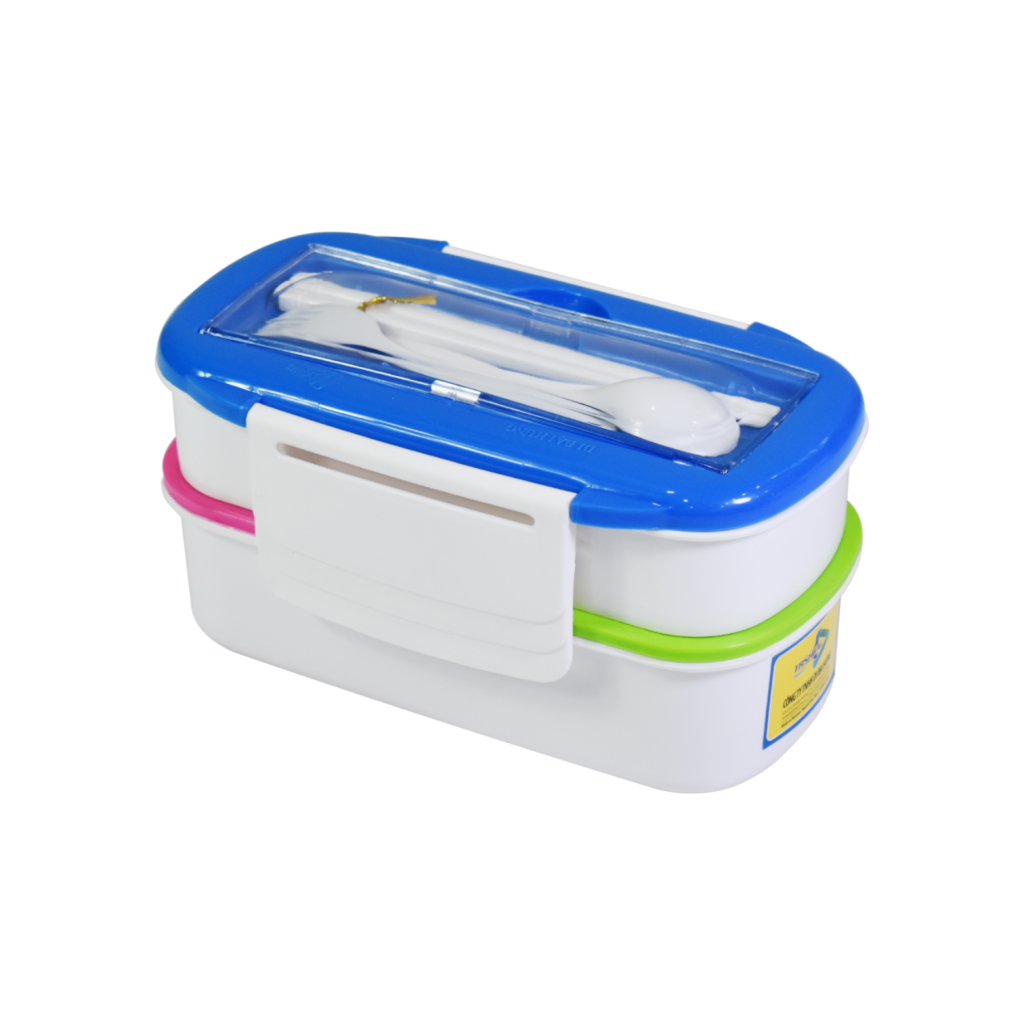
- Versatility in Design and Features: The manufacturing flexibility of plastic allows for an immense variety of designs. From sleek, single-compartment boxes to intricate bento-style containers with multiple sealed sections, there is a plastic lunch box to suit every meal and preference. Many models also include features like built-in cutlery, stackable designs, and vibrant colors, enhancing their practicality and appeal.
Understanding Plastic Types for Safe Food Storage
When selecting a plastic lunch box, understanding the different types of plastic used is paramount for ensuring food safety and product longevity. Not all plastics are created equal, especially concerning their interaction with food and heat. Consumers must be informed to make healthy choices for themselves and their families.
Common Food-Grade Plastics Explained
- Polypropylene (PP): Often identified by the recycling symbol #5, polypropylene is one of the safest and most widely used plastics for food containers. It’s known for its high heat resistance, making it microwave-safe and dishwasher-safe. PP is durable, resistant to chemical leaching, and does not contain BPA. It’s an excellent choice for a plastic lunch box that will be reheated frequently.
- Polyethylene (PE): Including High-Density Polyethylene (HDPE, #2) and Low-Density Polyethylene (LDPE, #4), PE plastics are commonly used for food wraps, plastic bags, and some flexible containers. While safe for cold food storage, they generally have lower heat resistance than PP and are less suitable for microwaving. They are flexible and resistant to impacts, often found in lids or seals. When you compare pp and pe packaging, PP excels in heat tolerance and rigidity, making it better for structured lunch boxes, while PE is preferred for flexibility and film-like applications.
- Tritan Plastic: A relatively newer type of plastic developed by Eastman, Tritan is increasingly popular for its superior safety and performance. It is completely free of BPA, BPS, and other bisphenols. Tritan is exceptionally clear, durable, resistant to shattering, and can withstand repeated wash cycles in the dishwasher without losing its clarity or integrity. Its robustness and safety profile make it an excellent material for premium plastic lunch boxes and water bottles.
- Polyethylene Terephthalate (PET or PETE): Identified by #1, PET is commonly used for single-use plastic bottles (water, soda) and some food jars. While generally safe for its intended single use, it is not recommended for repeated heating or long-term reuse, as it can degrade over time and potentially leach chemicals. It’s less common for reusable lunch boxes.
It’s crucial to look for labels such as ‘BPA-free,’ ‘food-grade,’ and ‘microwave-safe’ when purchasing any plastic lunch box. These labels provide assurance that the product has been tested and meets specific safety standards for food contact.
Key Considerations When Selecting Your Ideal Plastic Lunch Box
Choosing the perfect plastic lunch box involves more than just picking a pretty color. Several practical factors should guide your decision to ensure it meets your specific needs for safety, convenience, and functionality.
Essential Features to Look For
- BPA-Free Certification: This is a non-negotiable safety feature. Bisphenol A (BPA) is an industrial chemical that has been used to make certain plastics and resins, and concerns have been raised about its potential health effects. Always opt for a plastic lunch box explicitly labeled as BPA-free to minimize any risks. Many manufacturers now also label their products as BPS-free or Phthalate-free, offering even greater peace of mind.
- Leak-Proof Design: No one wants a soggy lunch or a messy bag. A secure, leak-proof seal is vital, especially if you plan to carry liquids, sauces, or moist foods. Look for containers with silicone gaskets or strong locking clips that create an airtight and watertight seal. This feature is particularly important for meal prepping and ensuring food freshness.
- Microwave and Dishwasher Safety: For maximum convenience, verify that your chosen plastic lunch box is safe for both microwave reheating and dishwasher cleaning. Check the product’s bottom or packaging for specific icons indicating these capabilities. Containers that are only hand-wash safe can add extra time to your routine, while non-microwaveable ones limit your meal options. This also applies when you choose safe food storage bags, ensuring they are appropriate for their intended use like reheating or freezing.
- Compartments and Portion Control: If you enjoy diverse meals or practice portion control, a plastic lunch box with multiple compartments is invaluable. Bento-style boxes allow you to pack different food items, like a main course, side dish, and snack, without them mixing. Some even come with removable dividers, offering flexible storage solutions.
- Durability and Longevity: Invest in a plastic lunch box made from high-quality, robust plastic that can withstand daily use, bumps, and temperature changes without cracking or deforming. A durable container will save you money in the long run by eliminating the need for frequent replacements.
- Ease of Cleaning: Look for a plastic lunch box with a smooth interior and minimal crevices where food particles could get trapped. A design that’s easy to wash, either by hand or in a dishwasher, helps maintain hygiene and prevents odors from lingering.
Maintaining Your Plastic Lunch Box for Optimal Safety and Freshness
Proper care and maintenance are essential not only for extending the life of your plastic lunch box but also for ensuring food safety. A well-maintained container prevents bacterial growth, keeps food fresh, and avoids unpleasant odors or stains.
Best Practices for Longevity and Hygiene
- Immediate Cleaning: After each use, try to wash your plastic lunch box as soon as possible. Leftover food residues can quickly lead to stains, odors, and bacterial growth. If immediate washing isn’t possible, rinse it thoroughly and leave it open to air dry before washing later.
- Washing Methods: Always follow the manufacturer’s cleaning instructions. If dishwasher-safe, place it on the top rack, as the intense heat of the bottom rack can sometimes warp plastic. For hand washing, use warm, soapy water and a soft sponge. Avoid abrasive scrubbers that can scratch the surface, potentially creating microscopic havens for bacteria and making the plastic more prone to staining.
- Tackling Stains and Odors: To combat stubborn stains from tomato sauce or oily foods, a paste made of baking soda and a little water can be effective. Apply it to the stained area, let it sit for a few hours or overnight, then wash thoroughly. For odors, placing a crumpled piece of newspaper or a sprinkle of baking soda inside the closed container overnight can absorb lingering smells. Sunlight exposure can also help neutralize odors and some stains.
- Proper Drying and Storage: Ensure your plastic lunch box is completely dry before storing it. Storing a damp container with its lid on creates a perfect environment for mold and mildew to grow. Store lids separately or slightly ajar to allow air circulation. Stacking containers properly can also save space and prevent damage.
- When to Replace: Even the most durable plastic lunch box has a lifespan. If your container shows signs of significant wear and tear, such as deep scratches, cracks, warping, or if it no longer seals properly, it’s time to replace it. Damaged plastic can harbor bacteria and may no longer provide an effective barrier against leaks or contamination.
Environmental Impact and Sustainable Choices for Your Meals
While the convenience of a plastic lunch box is undeniable, it’s important to consider its broader environmental impact. Making conscious choices can contribute to a more sustainable lifestyle and reduce overall plastic waste.
Towards More Sustainable Lunch Habits
- Embrace Reusability: The most significant sustainable action you can take with a plastic lunch box is to use it repeatedly and for as long as possible. By choosing durable, high-quality containers and maintaining them properly, you reduce the demand for single-use plastics and minimize waste. Reusing your lunchbox countless times significantly offsets the initial resource use in its production.
- Prioritize Quality and Durability: Opting for a higher-quality, more durable plastic lunch box might have a slightly higher upfront cost, but it will last longer. This reduces the frequency of needing replacements and, consequently, decreases waste over time. Look for containers made from robust plastics like Tritan or thick, food-grade polypropylene.
- Recycling Considerations: When your plastic lunch box finally reaches the end of its usable life, check its recycling code (the number within the triangular arrow symbol) to determine if it’s recyclable in your local municipal program. Plastics like PP (#5) are widely recyclable in many areas, but capabilities vary. Always clean the container thoroughly before placing it in the recycling bin. If local recycling isn’t an option, consider repurposing it for non-food storage or finding specialized recycling programs.
- Explore Alternatives (Informed Choice): While this article focuses on the plastic lunch box, it’s worth noting that other materials like stainless steel and glass also offer reusable options. Understanding their respective pros and cons can help you make an informed decision for different needs. For example, glass is excellent for reheating but heavier, while stainless steel is durable but often lacks microwave compatibility. The goal is to choose the best option that promotes reusability and minimizes single-use packaging, regardless of the material.
Make the Smart Choice for Your Daily Meals
Choosing the right plastic lunch box is an investment in your health, convenience, and potentially, the environment. By prioritizing safety through BPA-free certifications, understanding different plastic types like PP and Tritan, and focusing on features like leak-proof seals and microwave compatibility, you can find a container that perfectly fits your lifestyle. Remember that proper care and maintenance will ensure your lunchbox remains hygienic and functional for years to come, contributing to both your well-being and a more sustainable planet. Make an informed decision today and enjoy fresh, home-cooked meals wherever you go.