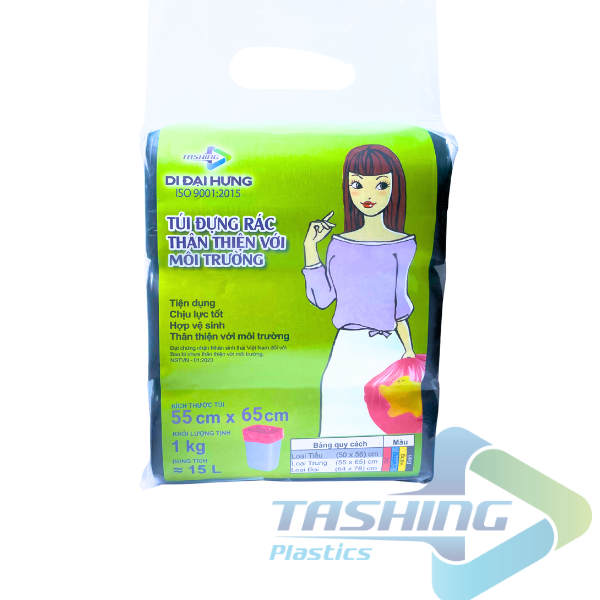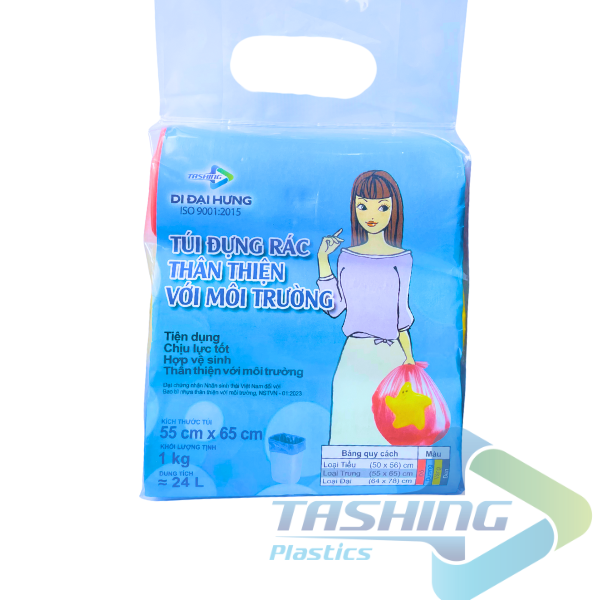


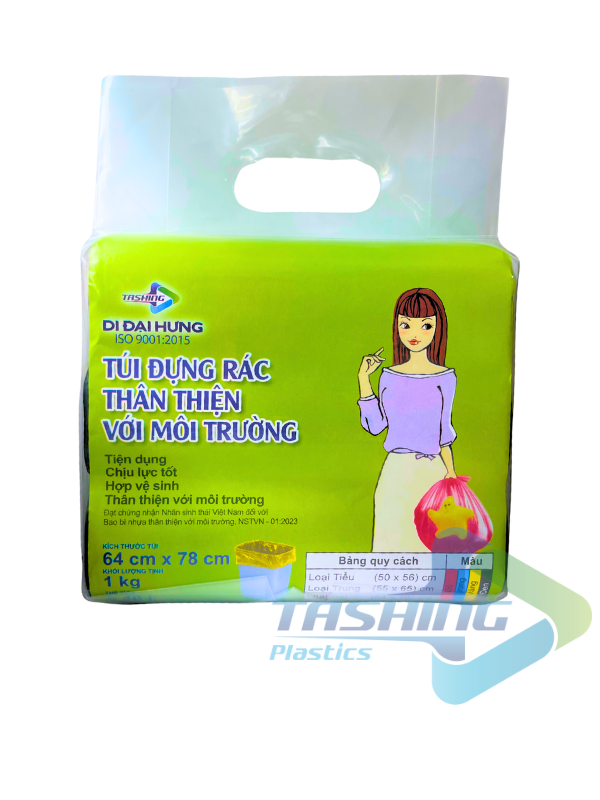


Black HDPE trash bag (Large)
Contact
- Materials: HDPE plastic
- Dimensions (LxWxH): (32+16+16×78) cm, 3cm2
- Weight: 1 kg
- Description
Description
In the realm of waste management, few products offer the robust performance and discreet utility of a good quality Black HDPE trash bag. These essential items are not merely receptacles for refuse; they are engineered solutions designed to handle a myriad of waste types, offering superior strength, tear resistance, and opacity. From bustling commercial kitchens and demanding industrial sites to the everyday needs of a household, the black HDPE trash bag stands as a testament to practical design, ensuring that waste is contained effectively, hygienically, and out of sight. Its widespread adoption stems from its unique material properties, making it an indispensable tool in maintaining cleanliness and order across diverse environments. This comprehensive guide will delve deep into the world of black HDPE trash bags, exploring their composition, myriad benefits, optimal applications, and how to choose the perfect bag for your specific needs, ultimately highlighting why they are a cornerstone of efficient waste disposal.
Understanding HDPE: The Core of Superior Trash Bags
High-Density Polyethylene, or HDPE, is a thermoplastic polymer renowned for its high strength-to-density ratio. This molecular structure gives HDPE bags distinct advantages over those made from other materials like Low-Density Polyethylene (LDPE). Unlike LDPE, which is more flexible and puncture-resistant, HDPE offers exceptional tear resistance and can be manufactured to be much thinner while maintaining impressive strength. This efficiency in material usage makes HDPE bags a cost-effective and environmentally conscious choice in many scenarios. The ‘black’ coloration not only provides a sleek, uniform appearance but also adds a layer of discretion, effectively concealing the contents within, which is often crucial in public-facing or sensitive environments.
The Science Behind HDPE Strength
The secret to HDPE’s robust nature lies in its tightly packed polymer chains. These linear chains give the material a higher density and a more crystalline structure compared to LDPE. This structural integrity translates into several key benefits for trash bags:
- Exceptional Tear Resistance: While they might be thinner, HDPE bags resist tearing once a small puncture occurs, preventing minor damage from escalating into a full rip.
- High Tensile Strength: HDPE can withstand significant pulling forces, making it ideal for holding heavy or dense waste without stretching excessively.
- Temperature Resistance: These bags perform well across a range of temperatures, from cold storage to warmer conditions, without compromising integrity.
- Moisture Barrier: HDPE is inherently resistant to moisture, helping to contain wet waste and prevent leaks.
Key Benefits of Choosing Black HDPE Trash Bags
The advantages of opting for black HDPE trash bags extend far beyond simple waste containment. Their design and material properties contribute to a more efficient, hygienic, and aesthetically pleasing waste management system.
Unmatched Durability and Tear Resistance
One of the primary reasons for the popularity of HDPE trash bags is their impressive tear resistance. Even with thinner gauges, the structural integrity of HDPE plastic means that minor punctures are less likely to lead to catastrophic tears, ensuring that waste remains securely contained. This is particularly valuable when dealing with items that might have sharp edges or irregular shapes, such as broken glass, office supplies, or certain types of construction debris. The ‘star seal’ bottom, common in many HDPE bags, further enhances strength by distributing weight evenly, preventing leaks and blowouts.
Optimal Puncture Resistance for Diverse Waste
While often contrasted with LDPE for puncture resistance, modern black HDPE trash bags are engineered to offer a significant degree of protection against punctures, especially when manufactured with appropriate thickness (mil or micron gauge). This makes them suitable for a wide array of waste types, from food scraps and general office waste to lighter industrial refuse. Their inherent toughness ensures that everyday items, which might otherwise poke through weaker bags, are safely held until disposal.
Superior Odor and Content Concealment
The black color and the dense nature of HDPE plastic provide excellent opacity, making these bags perfect for discreet waste disposal. Whether in a public restroom, an office setting, or a home kitchen, the ability to conceal contents is often highly valued. This opacity also contributes to reducing visual clutter and maintaining a cleaner, more professional appearance. Furthermore, the thick, non-porous nature of HDPE helps to minimize the escape of unpleasant odors, keeping your environment fresher.
Cost-Effectiveness and Environmental Responsibility
Due to the high strength-to-weight ratio of HDPE, these bags can be manufactured using less plastic material compared to their LDPE counterparts while offering comparable, if not superior, performance in terms of tear resistance. This material efficiency translates into lower manufacturing costs, which are often passed on to the consumer, making black HDPE trash bags a highly economical choice. Additionally, using less virgin plastic contributes to a smaller environmental footprint. HDPE is also a widely recyclable plastic, provided that local recycling facilities accept soiled plastic films. By choosing these bags and disposing of them responsibly, businesses and individuals can contribute to a more sustainable waste management cycle. While the focus here is on black bags, it’s worth noting that options like 3-color HDPE trash bags also offer various benefits for sorting and identification.
Applications: Where Black HDPE Trash Bags Excel
The versatility of black HDPE trash bags makes them suitable for an extensive range of applications, each benefiting from their unique properties.
Residential Use: Everyday Convenience and Cleanliness
In homes, black HDPE trash bags are indispensable for kitchen waste, bathroom bins, and general household refuse. Their tear resistance is crucial for containing food waste, packaging, and everyday items. The black color ensures discretion, keeping unsightly contents out of view, which is especially beneficial in open-plan living spaces or guest bathrooms. For smaller bins, a Black HDPE trash bag (small) is often the perfect fit, ensuring proper hygiene without excessive material waste.
Commercial Use: Maintaining Professionalism and Hygiene
Businesses, from offices and retail stores to restaurants and hotels, rely heavily on black HDPE trash bags. In offices, they handle paper waste, food containers, and general refuse without tearing. In retail, they manage packaging and discarded items discreetly. Restaurants benefit from their odor containment and strength for food waste, while hotels use them for guest room refuse, maintaining a high standard of cleanliness and professionalism. The opacity is particularly valued in these settings to maintain a clean and tidy aesthetic for customers and clients.
Industrial Use: Handling Tougher Demands
While specific industrial waste may require specialized bags, general industrial settings like warehouses, workshops, and light manufacturing plants find black HDPE bags highly effective. They can withstand the demands of containing various non-hazardous industrial waste, including light construction debris, workshop scraps, and packaging materials. Their resistance to tearing under stress makes them a reliable choice in environments where durability is paramount.
Outdoor and Specialized Uses
Black HDPE trash bags are also excellent for outdoor waste, such as yard trimmings (leaves, grass clippings) and general cleanup. Their robust nature means they can be dragged or handled without fear of immediate rupture. In some specialized contexts, such as event clean-up or temporary waste collection points, their strength and capacity prove invaluable.
Choosing the Right Black HDPE Trash Bag for Your Needs
Selecting the optimal black HDPE trash bag requires considering several factors to ensure it meets your specific requirements effectively and economically.
Size and Capacity: Matching the Bin
Trash bags come in a wide array of sizes, typically measured in gallons or liters, and corresponding dimensions (width x height). It’s crucial to match the bag size to your waste bin or receptacle. An oversized bag wastes material, while an undersized bag risks tearing or overflowing. Measure your bin’s circumference and height to select the correct bag dimensions. Remember to account for overhang to tie the bag securely.
Thickness (Micron/Mil Gauge): Light-Duty vs. Heavy-Duty
The thickness of a trash bag is critical to its performance. It’s measured in microns (µm) in the metric system or mils (1 mil = 0.001 inch) in the imperial system. Generally:
- Light-Duty (0.3-0.6 mil / 7-15 micron): Ideal for light office waste, paper, and general household refuse where contents are not sharp or excessively heavy.
- Medium-Duty (0.6-0.9 mil / 15-23 micron): Suitable for kitchen waste, light commercial use, and general waste that might contain some dampness or slightly heavier items.
- Heavy-Duty (0.9-1.2 mil+ / 23-30+ micron): Best for industrial use, construction debris, sharp objects, heavy commercial waste, and anything requiring maximum tear and puncture resistance.
While HDPE bags are strong even at lower gauges, increasing the thickness will always enhance durability, especially when dealing with challenging waste types.
Seal Type: Enhancing Strength and Preventing Leaks
The bottom seal of a trash bag significantly impacts its strength and leak prevention capabilities:
- Star Seal: This is the most common seal for HDPE bags. The bottom is gathered and folded several times, then sealed, creating a star-like pattern. This design allows the bag to conform to the shape of the container and distributes weight evenly, making it highly resistant to leaks and capable of holding irregular-shaped items.
- Flat Seal: A simple 2D seal at the bottom. While efficient for production, it can be prone to tearing if overfilled or if heavy items rest directly on the seam.
- Gusseted Seal: Features side pleats (gussets) that expand, offering extra capacity and a somewhat stronger bottom than a flat seal.
Dispensing Options: Convenience and Efficiency
Black HDPE trash bags are available in various dispensing formats:
- Rolls: Most common for household and commercial use, offering convenient storage and easy tear-off.
- Coreless Rolls: Similar to standard rolls but without a cardboard core, reducing waste.
- Individual Bags: Sometimes preferred for larger, heavy-duty bags where individual handling is more practical.
HDPE vs. LDPE: A Comparative Look
Understanding the differences between HDPE and LDPE (Low-Density Polyethylene) trash bags is crucial for making an informed choice, as each material excels in different scenarios.
HDPE (High-Density Polyethylene)
- Characteristics: Thinner, crinklier feel, greater tear resistance (once punctured), less stretchy, opaque.
- Best For: Heavy, wet, or non-sharp waste where tear resistance is paramount. Cost-effective due to less material use. Excellent for discreet disposal.
- Typical Applications: Kitchen bins, office waste, restrooms, general commercial, light industrial.
LDPE (Low-Density Polyethylene)
- Characteristics: Thicker, stretchier, softer feel, superior puncture resistance, more transparent (unless colored).
- Best For: Waste with sharp objects (glass, metal), heavy irregular-shaped items, construction debris. Its stretchiness prevents punctures.
- Typical Applications: Construction sites, yard waste, heavy-duty industrial, medical waste (often colored red).
While HDPE bags are incredibly strong against tearing, if your waste consistently contains sharp, jagged items, an LDPE bag might offer better direct puncture protection due to its elasticity. However, for most general and heavy-duty waste scenarios, a high-quality black HDPE trash bag will offer exceptional performance and value.
Sustainable Practices with Black HDPE Trash Bags
Even with single-use items like trash bags, adopting sustainable practices is vital. Black HDPE trash bags can be part of a responsible waste management strategy.
Recycling HDPE
HDPE is one of the most widely recycled plastics (often identified by the ‘2’ recycling symbol). However, recycling facilities typically have specific requirements for plastic films, such as trash bags. It’s crucial to check with your local recycling program to see if they accept used trash bags, especially if they are soiled. If accepted, ensuring bags are clean and dry before recycling improves the likelihood of them being processed.
Reducing Waste at the Source
The most effective way to be sustainable is to reduce waste generation in the first place. When using black HDPE trash bags, ensure they are filled appropriately to maximize their capacity without overfilling, which can lead to tearing and premature disposal. Opt for the correct size and thickness to prevent the need for double-bagging.
Maintenance and Storage Tips for Optimal Performance
Proper handling and storage of your black HDPE trash bags can ensure they perform at their best and last longer.
- Store in a Cool, Dry Place: Extreme temperatures can affect the integrity of plastic. Store rolls or boxes of bags away from direct sunlight, heat sources, and excessive moisture to prevent degradation.
- Keep Away from Puncturing Hazards: Avoid storing bags near sharp objects that could damage them before use.
- Use Appropriate Bins: Ensure your trash cans are clean and free of sharp edges or burrs that could tear bags upon insertion.
- Don’t Overfill: While HDPE bags are strong, overfilling them puts undue stress on the seams and material, increasing the risk of tearing and spillage.
- Tie Securely: Always tie bags securely before disposal to contain odors and prevent spills during transport.
Innovation in Trash Bag Technology
The humble trash bag continues to evolve, incorporating features designed to enhance user convenience and performance.
- Drawstring Closures: Many black HDPE trash bags now feature integrated drawstrings, making them easier to close, lift, and carry, while also providing a more secure seal for odor containment.
- Scented Bags: Infused with various fragrances, scented bags help to mask unpleasant odors, adding a layer of freshness, particularly in kitchens and bathrooms.
- Woven and Reinforced Designs: For extremely heavy-duty applications, some HDPE bags incorporate woven patterns or multi-layer construction to further boost tear and puncture resistance.
Secure Your Space: The Unmatched Reliability of Black HDPE
The black HDPE trash bag is far more than a simple waste receptacle; it’s a meticulously engineered solution that offers exceptional strength, discretion, and value. From handling the daily refuse of a busy household to managing waste in demanding commercial and industrial environments, its robust properties, including superior tear resistance and opacity, make it an indispensable tool for maintaining cleanliness and hygiene. By understanding the material’s benefits, selecting the right size and thickness, and adopting responsible usage practices, you can leverage the full potential of these essential bags. Whether you opt for a standard large capacity bag or a specialized Black HDPE trash bag (small) for specific needs, or even explore options like 3-color HDPE trash bags for sorting, the reliability and cost-effectiveness of HDPE plastic ensure that your waste management needs are met with efficiency and peace of mind. Invest in quality black HDPE trash bags, and experience the difference superior waste containment can make in keeping your spaces clean, odor-free, and organized.